
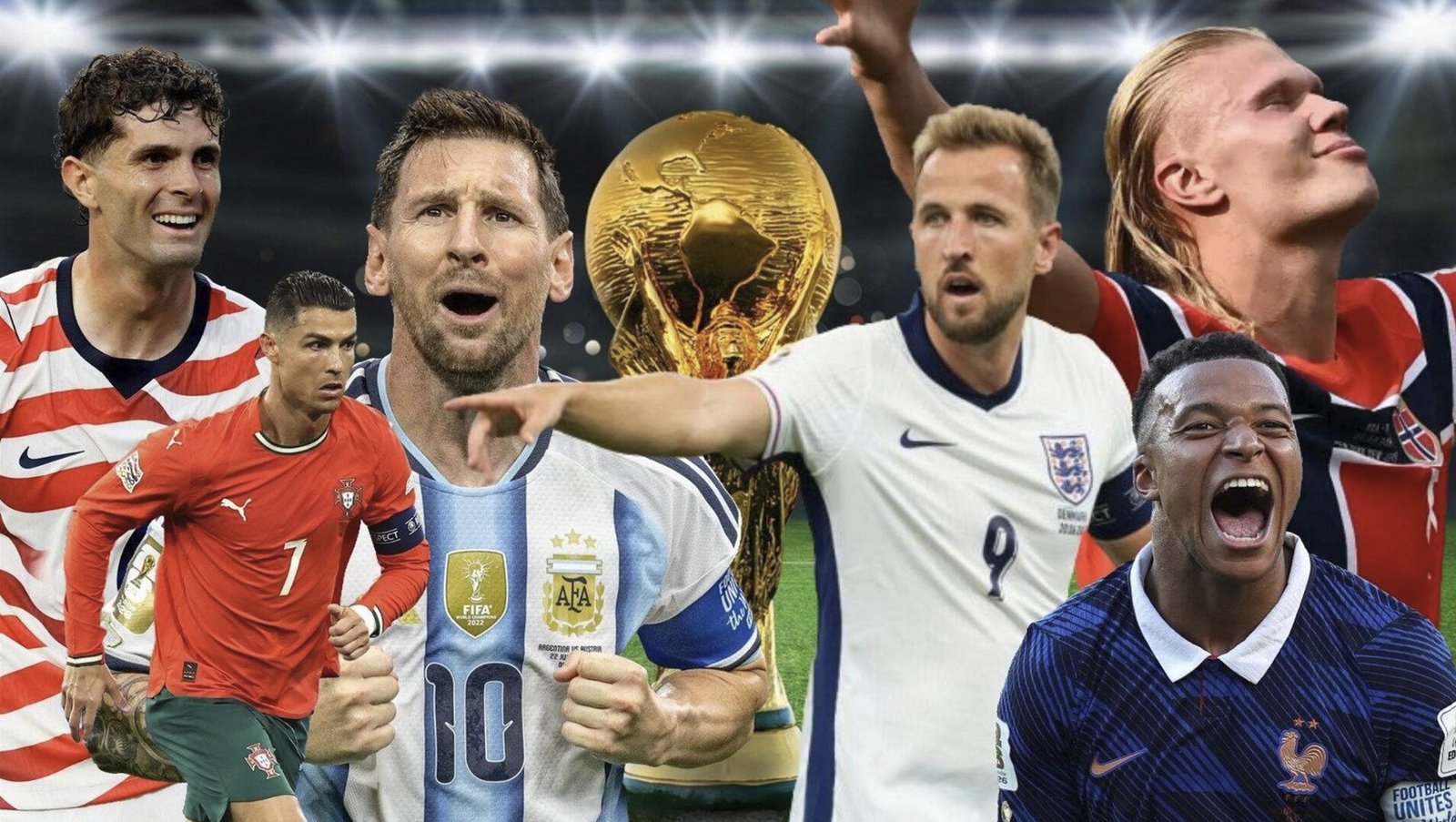
The 2026 FIFA World Cup Is Proving America Has Finally Fallen in Love With Soccer
There was a time when the idea of the United States hosting the FIFA World Cup was met with scepticism.
Critics questioned whether American audiences would truly embrace football on the same level as Europe or South America. Others wondered whether the tournament would struggle to capture mainstream attention in a country dominated by the NFL, NBA, MLB and college sports.
Fast forward to today, and those doubts are rapidly disappearing. The 2026 FIFA World Cup has become far more than just another international sporting event. It has evolved into a cultural phenomenon across the United States, producing record television audiences, packed stadiums, unforgettable atmospheres and widespread public interest that few could have predicted.
At Screen Hollywood, it feels as though this tournament represents a genuine turning point for football in America.
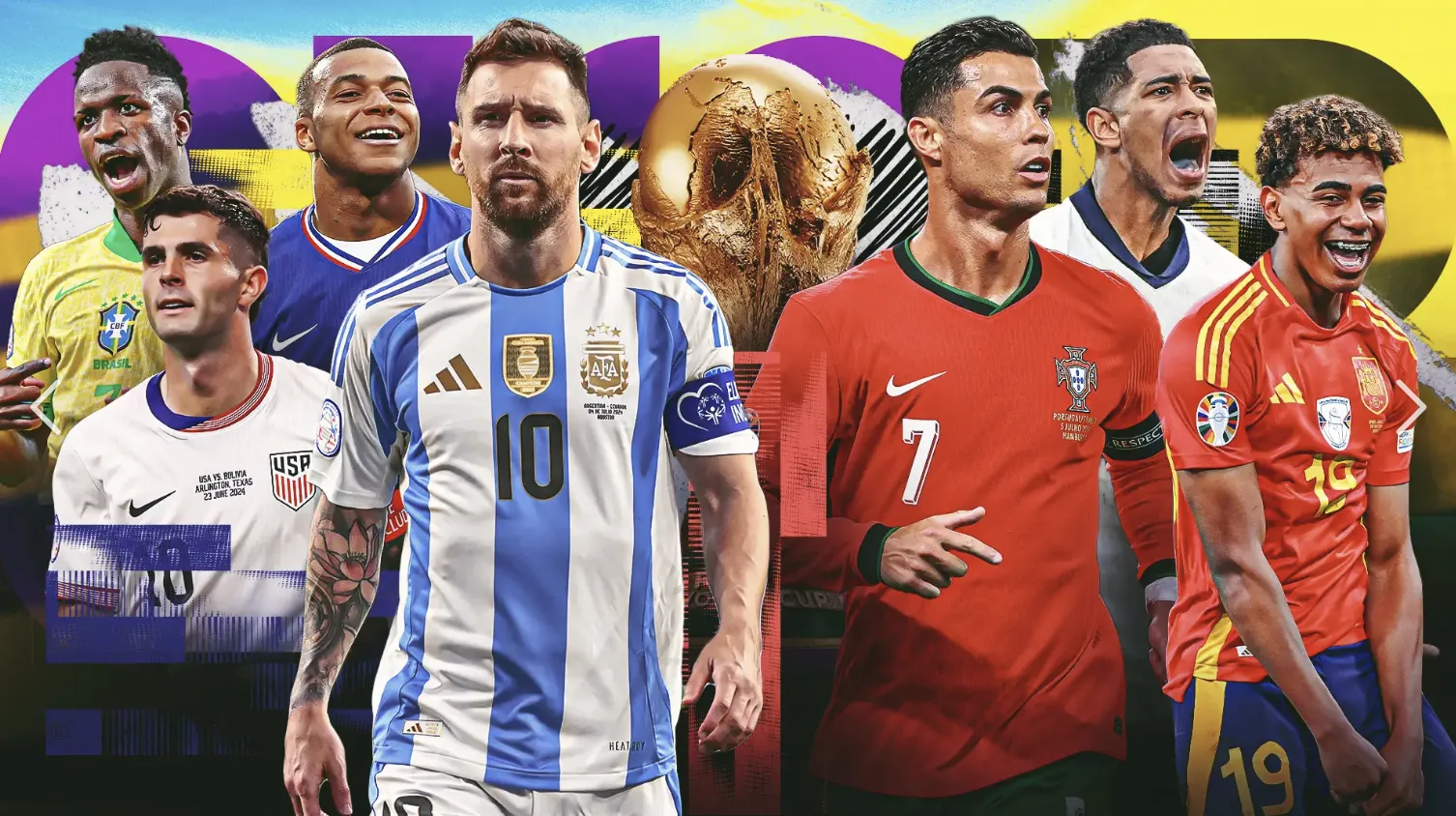
America Has Embraced the World Cup
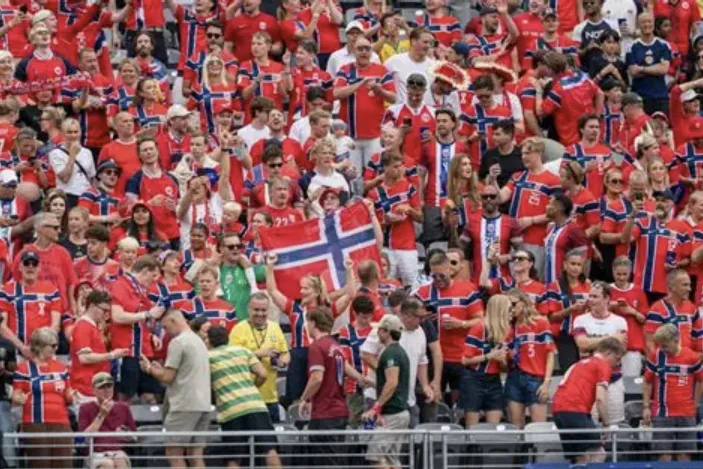
From the opening week of the tournament, one thing became immediately apparent. American fans showed up. Host cities have delivered vibrant atmospheres that rival many of football’s traditional powerhouses, with supporters from around the world transforming stadiums into spectacular celebrations of the global game. The United States has demonstrated that it possesses not only world-class sporting venues but also an audience increasingly passionate about football. For years, critics argued that soccer remained a niche sport in America. Those arguments are becoming increasingly difficult to defend.
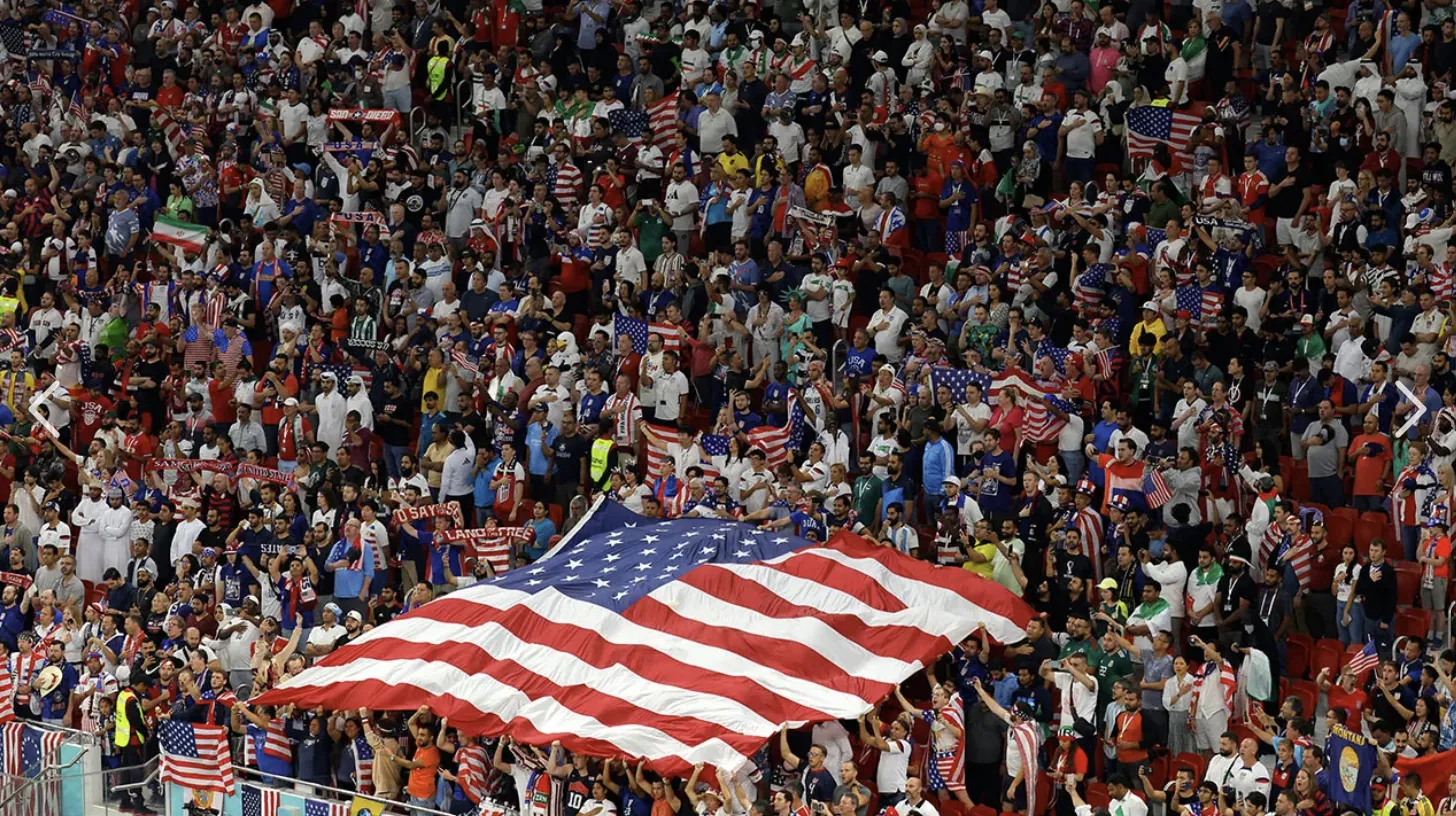
Television Records Tell the Story
Perhaps the clearest indication of football’s growing popularity can be found in the television numbers.
Throughout the tournament, Fox Sports has continued to report record-breaking audiences as American viewers tune in to watch World Cup action. U.S. matches have set new benchmarks for English-language soccer broadcasts, highlighting just how dramatically interest in the sport has grown.
One of the biggest surprises has been the remarkable success of England’s dramatic knockout victory over Mexico, which also delivered enormous ratings for Fox. The fixture attracted huge interest from American viewers, demonstrating that audiences are now embracing elite international football beyond simply supporting the host nation.
That may prove to be one of the tournament’s most significant achievements. The World Cup is no longer attracting viewers only when the United States plays.
Football itself is becoming the attraction.
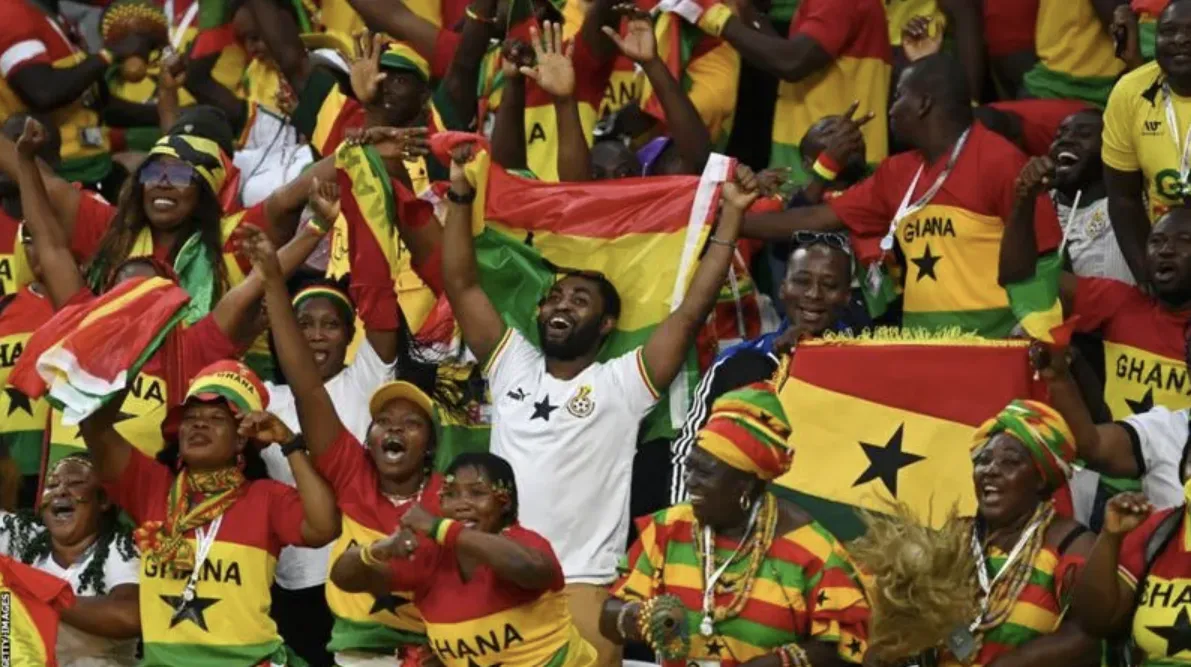
A Defining Moment for Soccer in America
For decades, Major League Soccer has steadily expanded its footprint, attracting larger crowds, better infrastructure and higher-profile players.
However, many believed the league still lacked the cultural breakthrough needed to compete with America’s established sporting giants.
The 2026 World Cup may have changed that equation.
Millions of first-time viewers have discovered just how compelling knockout football can be. Dramatic late winners, penalty shootouts and emotionally charged international rivalries have introduced a new generation of American fans to a sport built on tension rather than constant scoring.
If even a fraction of those viewers continue following the sport after the tournament concludes, the long-term impact could be enormous.
Not Without Controversy
Despite the tournament’s overwhelming success, the World Cup has not escaped controversy.
One of the biggest talking points has centred on U.S. striker Folarin Balogun, who received a red card that initially ruled him out of the United States’ crucial Round of 16 clash against Belgium.
In a dramatic twist, FIFA overturned the automatic suspension after an appeal process that followed public lobbying from U.S. President Donald Trump. The decision means Balogun is available to face Belgium, but it has also triggered fierce criticism across European football. UEFA described the move as crossing “a red line”, while Belgium’s football authorities have questioned whether sporting integrity has been compromised.
Regardless of where supporters stand, the episode has become one of the defining off-field stories of the tournament and demonstrates how quickly politics and sport can collide on the world’s biggest stage.
A Tournament That Has Delivered
Every major sporting event hopes to leave a lasting legacy.
From packed stadiums and electric atmospheres to unprecedented television audiences, the 2026 FIFA World Cup appears to be doing exactly that.
While controversy surrounding FIFA’s disciplinary decisions will undoubtedly continue to dominate headlines, it should not overshadow what has been an exceptional tournament on the pitch.
The football has been dramatic. The crowds have been outstanding. The organisation has largely delivered. Most importantly, millions of Americans have embraced the world’s game in a way never seen before.
If the success of this World Cup leads to sustained investment in football across the United States, historians may eventually look back on 2026 as the moment the sport truly entered the American mainstream.