Violence Isn’t Fear: What Evil Dead Burn Gets Right—and Wrong—About Modern Horror
Every generation produces a horror film that pushes audiences further than they thought possible. In the 1970s, The Texas Chain Saw Massacre stunned cinemagoers with its raw intensity despite showing remarkably little explicit violence. John Carpenter’s The Thing transformed paranoia into one of horror’s most enduring storytelling tools, while Sam Raimi’s original Evil Dead films proved that atmosphere, unpredictability and sheer imagination could be just as terrifying as bloodshed.
Watching Evil Dead Burn raised a fascinating question that extends far beyond this latest instalment in the franchise.
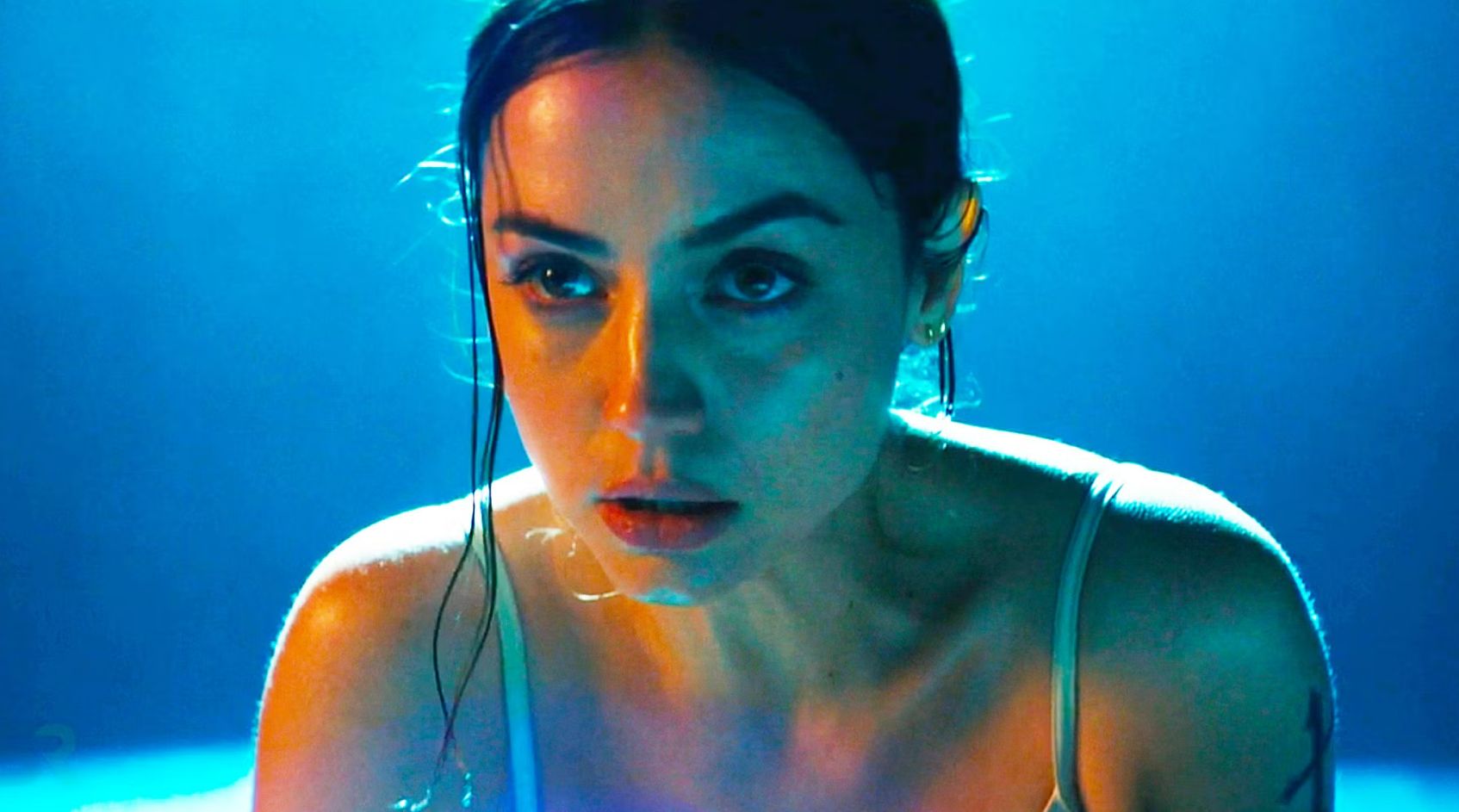
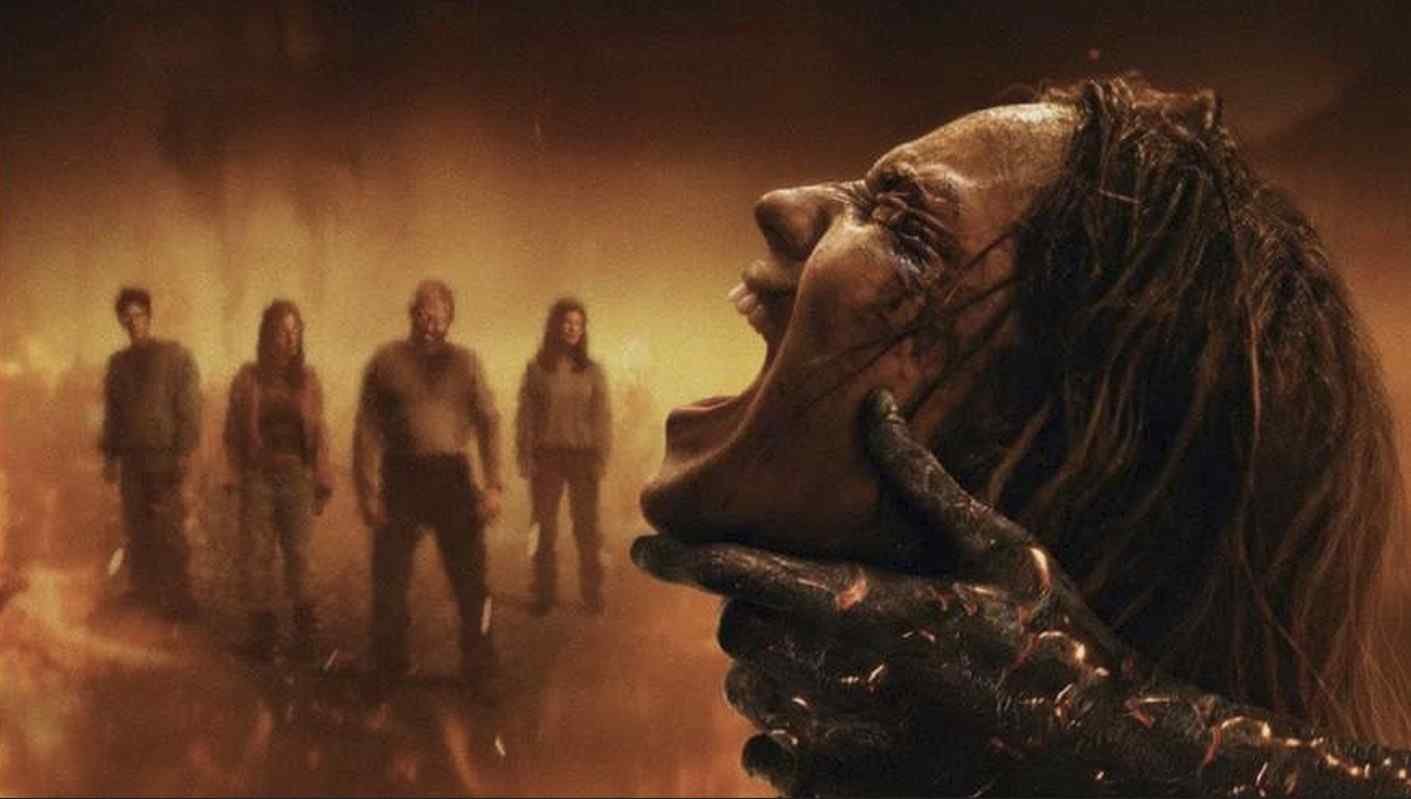
Has modern horror gradually confused brutality with genuine fear? It is an important discussion because Evil Dead Burn is, by almost every technical measure, a highly accomplished film. Director Sébastien Vaniček delivers a confident and visually striking addition to one of horror’s most respected franchises. The performances are convincing, the cinematography is beautifully composed, the practical effects are extraordinary, and the production never lacks ambition.
Yet despite all of those strengths, one thought lingered long after the credits rolled. The film made us wince far more often than it made us afraid. That distinction may ultimately define where modern horror finds itself today.
When Gore Becomes the Main Attraction
There is nothing inherently wrong with graphic violence in horror. The genre has always embraced practical effects, shocking imagery and moments designed to leave audiences squirming in their seats. In many ways, those elements form part of horror’s identity.
The problem arises when violence becomes the primary method of generating emotion.
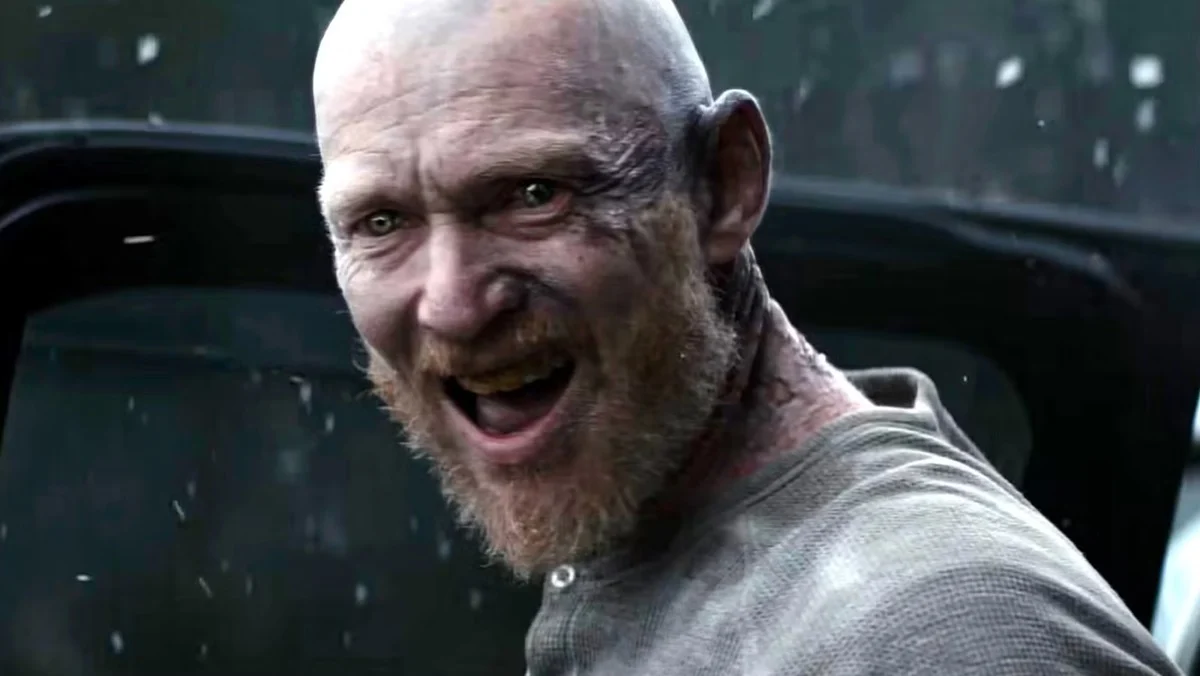
Evil Dead Burn unquestionably delivers some of the most astonishing practical effects ever seen in the franchise. The craftsmanship behind its gore sequences is exceptional, demonstrating an extraordinary level of creativity and technical expertise. Every injury, every transformation and every encounter with the Deadites has been realised with remarkable attention to detail. However, there is a subtle difference between making audiences recoil and making them genuinely fearful.
Fear is rarely created by showing everything. Instead, it thrives on uncertainty, anticipation and the uncomfortable feeling that something dreadful could happen at any moment. The greatest horror films understand that imagination is often far more powerful than explicit imagery.
While Evil Dead Burn excels at shocking its audience, it occasionally leaves too little room for suspense to develop naturally. The relentless pace of its brutality means viewers quickly begin anticipating the next graphic sequence rather than fearing the unknown.
That is not necessarily a flaw unique to this film. It reflects a broader trend that has emerged across contemporary horror.
Hollywood’s Relationship With Horror Is Changing
Over the past decade, horror has enjoyed remarkable commercial success. Independent productions have become major box-office successes, while studios have increasingly embraced darker, more ambitious storytelling. From psychological thrillers to supernatural nightmares, audiences have demonstrated a healthy appetite for the genre.
At the same time, however, there has been an increasing emphasis on creating horror films that are more extreme than their predecessors. Marketing campaigns frequently highlight how shocking, disturbing or uncompromising a new release is, encouraging audiences to measure a film’s success by the intensity of its violence rather than the effectiveness of its storytelling.
Social media has arguably accelerated that trend.
Graphic scenes circulate online within hours of release, becoming viral talking points that often overshadow the narrative itself. In some cases, the discussion surrounding a horror film focuses almost entirely on its most gruesome moments rather than its atmosphere, characters or emotional impact.
Evil Dead Burn occasionally feels like a product of that evolution. It succeeds brilliantly as an exercise in relentless intensity, but it also raises the question of whether modern horror has become too eager to shock and not patient enough to frighten.
The Films That Continue to Haunt Us
Cinema history offers countless examples of horror films whose greatest strength was not their body count but their restraint.
Ridley Scott’s Alien remains one of the finest examples of sustained cinematic tension because it allows audiences to fear what they cannot fully see. Stanley Kubrick’s The Shining unsettles viewers through atmosphere and psychological uncertainty long before its most disturbing images appear. John Carpenter’s Halloween transformed ordinary suburban streets into places of unimaginable danger without relying on excessive violence.
Even within the Evil Dead franchise itself, Fede Álvarez’s 2013 reboot struck a particularly effective balance. While undeniably brutal, it understood the importance of pacing, mystery and anticipation. The violence carried greater impact because the film invested time in building genuine dread before unleashing chaos.
By comparison, Evil Dead Burn often feels eager to reach its next spectacular set piece. Those sequences are expertly executed, but they arrive so consistently that they occasionally diminish the power of anticipation.
The result is a film that is frequently exhilarating, consistently impressive and undeniably entertaining, but only intermittently frightening.
A Franchise That Continues to Evolve
None of this should overshadow what Evil Dead Burn accomplishes as a franchise entry.
One of its greatest achievements is its willingness to expand the mythology rather than simply revisit familiar ground. New ideas surrounding the Deadites suggest that the filmmakers are committed to developing the series into something larger than a collection of isolated horror stories.
That creative ambition deserves recognition.
Long-running franchises often struggle to evolve without abandoning the qualities that made them successful. Evil Dead Burn largely avoids that trap by respecting its origins while introducing enough fresh concepts to keep longtime fans invested in where the series might go next.
The performances remain consistently strong throughout, the visual direction is stylish without becoming distracting and the production values demonstrate just how seriously the creative team approached this chapter.
There is every reason to be optimistic about the future of the franchise.
The Conversation Hollywood Should Be Having
Perhaps the most valuable contribution Evil Dead Burn makes is not simply entertaining horror fans but encouraging a broader conversation about where the genre is heading.
Modern audiences have repeatedly demonstrated that they appreciate intelligent horror. Films such as Hereditary, The Witch and Talk to Me proved that atmosphere, emotional storytelling and psychological tension can resonate just as powerfully as graphic spectacle. Those films succeeded because they trusted viewers to engage with fear on a deeper level.
Evil Dead Burn reminds us that technical brilliance alone does not define horror. True horror lingers long after the lights come up. It is the uneasy silence during the drive home. It is the hesitation before switching off the bedroom light. It is the image that quietly returns to your thoughts several days later without invitation. Those are the moments that separate unforgettable horror from simply effective gore.
The Backrooms Has Rewritten Modern Horror—Now All Eyes Are on the Sequel
Final Verdict
There is no question that Evil Dead Burn is a worthy addition to one of cinema’s most iconic horror franchises. Its performances, practical effects, cinematography and commitment to expanding the mythology make it an impressive achievement that will undoubtedly satisfy dedicated horror fans.
At the same time, the film highlights an increasingly important conversation within the genre itself. Violence and fear are not interchangeable.
The greatest horror films understand how to balance brutality with suspense, atmosphere and imagination. Evil Dead Burn excels at the first of those qualities and occasionally sacrifices the others in pursuit of relentless intensity.
That does not make it a disappointing film—far from it. It makes it an engaging and highly entertaining horror experience that perhaps came within touching distance of genuine greatness.
As Hollywood continues searching for the next evolution of horror, Evil Dead Burn proves one thing beyond doubt. The industry still knows how to shock audiences. The next challenge is remembering how to leave them truly terrified.