When Amazon MGM Studios and Alcon Television Group unveiled Blade Runner 2099 on November 25, 2026, expectations were understandably sky-high. Stepping into the shadow of Ridley Scott’s 1982 original and Denis Villeneuve’s acclaimed Blade Runner 2049 is no small task for any creative team. Yet rather than simply replicating past formulas, showrunner Silka Luisa’s eight-episode Prime Video debut takes calculated creative risks—most notably by inverting the franchise’s central conflict and placing two female protagonists at the heart of its neo-noir dystopia.
A Bold Reversal of Power and Perspective
Set fifty years after the events of 2049, the miniseries imagines a Los Angeles reshaped by a Replicant revolution. Having overthrown the Wallace Corporation, bioengineered Replicants now govern society, while surviving humans have been relegated to a struggling underclass performing hazardous labor. Even the title “Blade Runner” has changed hands, now denoting an elite LAPD Replicant unit tasked with policing human dissidents and rogue synthetic fugitives.
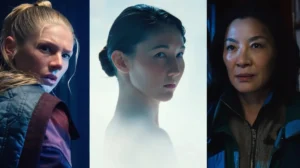
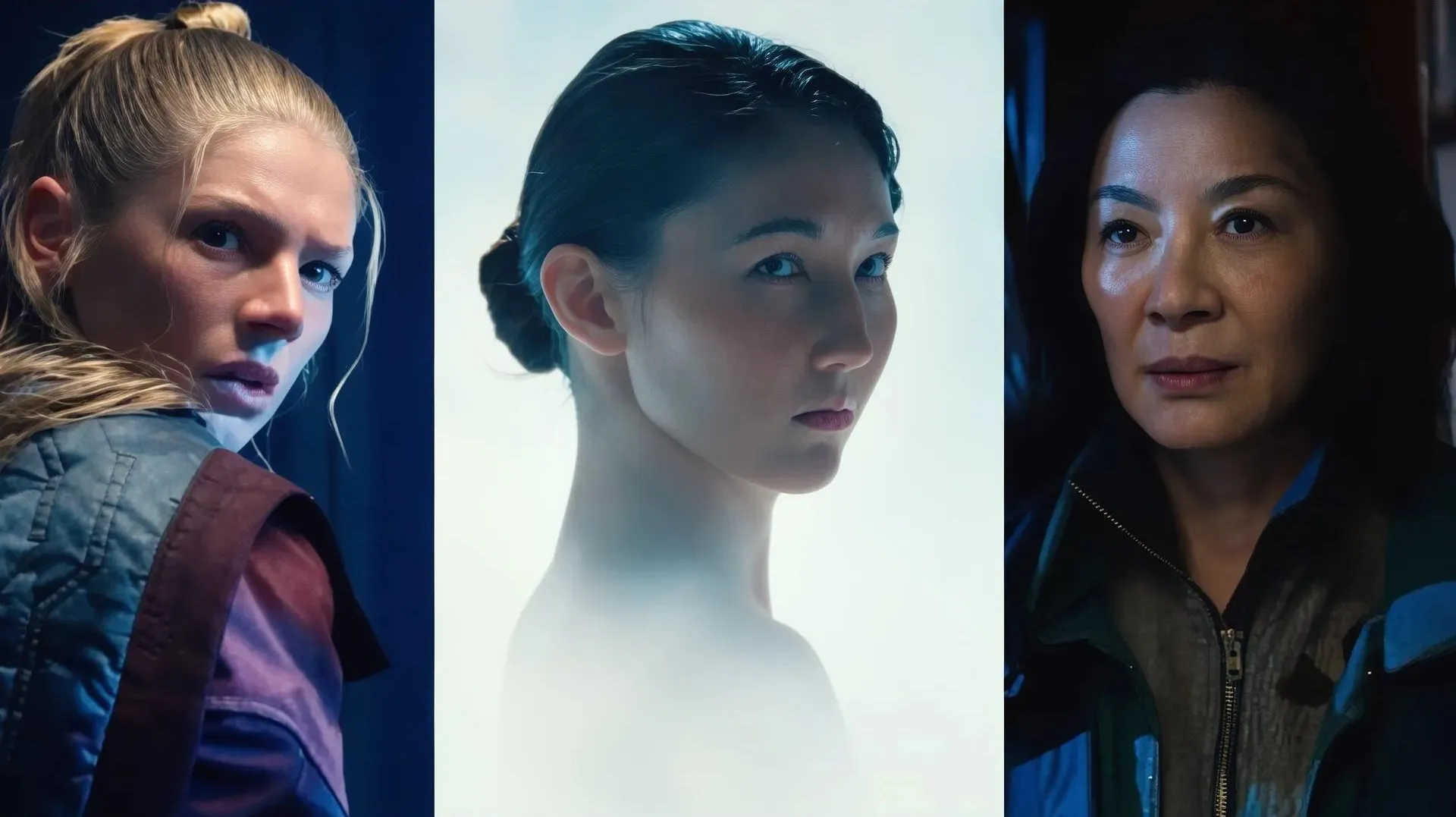
Within this flipped hierarchy, Amazon’s decision to modernize the franchise through female-led storytelling becomes one of the series’ defining traits. For over four decades, Blade Runner centered predominantly on solitary, world-weary male investigators—first Harrison Ford’s Rick Deckard, then Ryan Gosling’s Officer K. By teaming Academy Award winner Michelle Yeoh as Olwen, an aging Replicant Blade Runner with only eight days left in her predetermined lifespan, with Hunter Schafer as Cora, a human fugitive disguising herself as a Blade Runner to save her brother Elias, Luisa shifts the emotional register of the universe.
Evaluating the Female-Led Dynamic
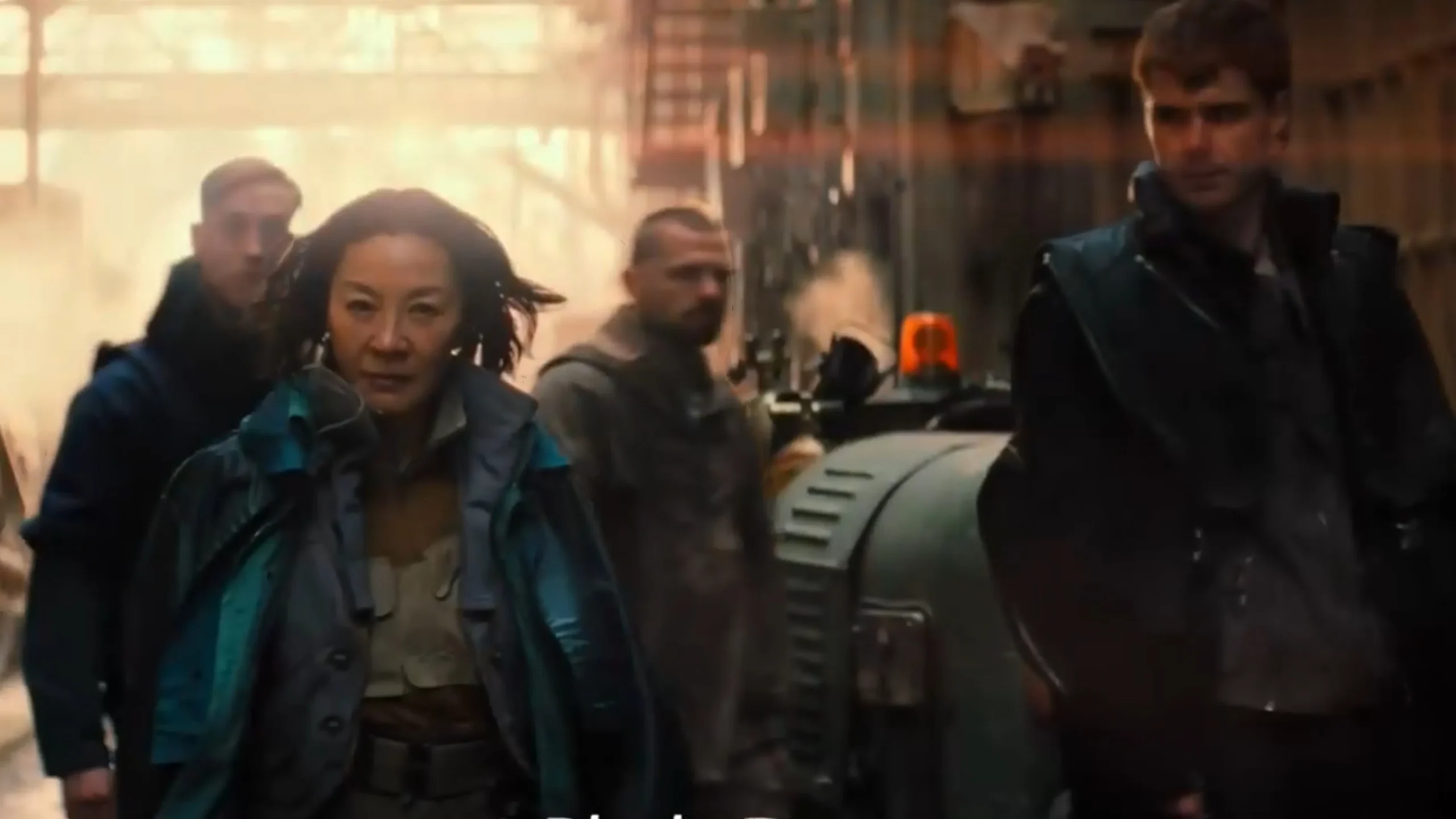
Rather than feeling like a superficial update, pairing Olwen and Cora introduces a nuanced generational dynamic grounded in empathy and mortality. Where the theatrical films often examined loneliness through brooding isolation, Blade Runner 2099 builds its tension around mutual survival and unspoken vulnerability. Yeoh brings quiet authority and weary dignity to a character confronting obsolescence, while Schafer conveys the constant, restrained anxiety of a woman forced to suppress her own humanity to stay alive.
For viewers accustomed to high-intensity action, the duo’s understated chemistry may occasionally feel deliberately muted—a stylistic choice consistent with the franchise’s slow-burn noir DNA. Critics and audiences alike have offered varied reactions to this restraint: many praise Yeoh and Schafer as the series’ strongest anchor, while others argue that the script’s dialogue leaves certain supporting arcs underexplored.
Visual Craft vs. Streaming Pacing
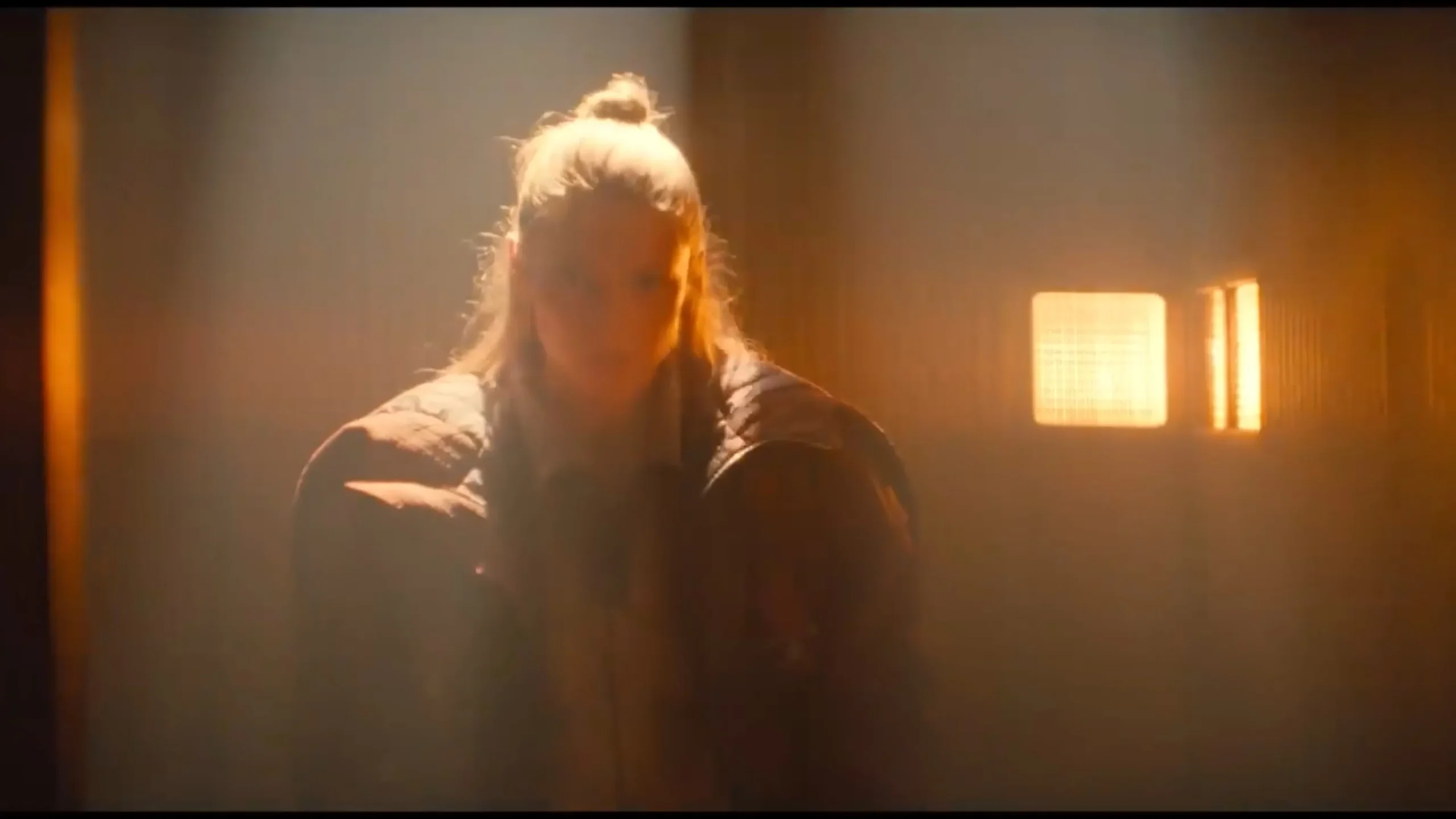
On a technical level, Blade Runner 2099 stands among the most visually accomplished television productions of the year. Cinematographers Rob Hardy, Ula Pontikos, Vanja Černjul, and Damián García seamlessly preserve the rain-lashed brutalism, analog retro-futurism, and amber-toned haze established by Scott, Villeneuve, and Roger Deakins, complemented by Leopold Ross’s evocative electronic score. In an era increasingly shaped by real-world anxieties around artificial intelligence and synthetic media, the show’s fixation on illicit human memories feels remarkably timely.
Where the miniseries genuinely stumbles is in its structural pacing. Like many prestige streaming dramas, an eight-episode runtime ranging from fifty-one to sixty-two minutes per installment stretches a central conspiracy—involving black-market fixer Bebeto and an impounded secret—thin across its middle chapters. Tightened into a leaner six episodes or a theatrical feature, the narrative urgency would likely hit far harder.
An Impartial Verdict
Ultimately, Blade Runner 2099 may not surpass the towering cinematic peaks of its theatrical predecessors, nor does it fully avoid the pacing pitfalls common to modern streaming television. However, dismissing it as hollow nostalgia overlooks its genuine thematic ambition. By reframing Philip K. Dick’s enduring questions about identity through a female-led lens and crafting a visually mesmerizing world, Amazon’s series offers a thoughtful, atmospheric expansion that sci-fi fans can evaluate on its own terms.
Editorial Note: This independent review was prepared by the Screen Hollywood editorial team following screening of the complete eight-episode Prime Video release, assessing narrative structure, casting evolution, and production craft without commercial influence.