A Night of Hate in Miami: Andrew Tate and Far-Right Influencers Filmed in Nazi Salute Uproar
In the neon-soaked glamour of a high-end Miami nightclub, a scene unfolded that serves as a chilling snapshot of a deeply disturbing cultural sickness. A viral video has ignited a firestorm of outrage, capturing controversial influencer Andrew Tate and a cabal of far-right internet personalities appearing to revel in a grotesque celebration of history’s most monstrous ideology. The footage shows the group at the VENDÔME nightclub, allegedly dancing and singing along as Kanye West’s banned, antisemitic track “Heil Hitler” blares through the speakers. This is not just a story about a shocking night out; it is a stark, public manifestation of the insidious normalization of Nazi glorification that is poisoning a new generation online.
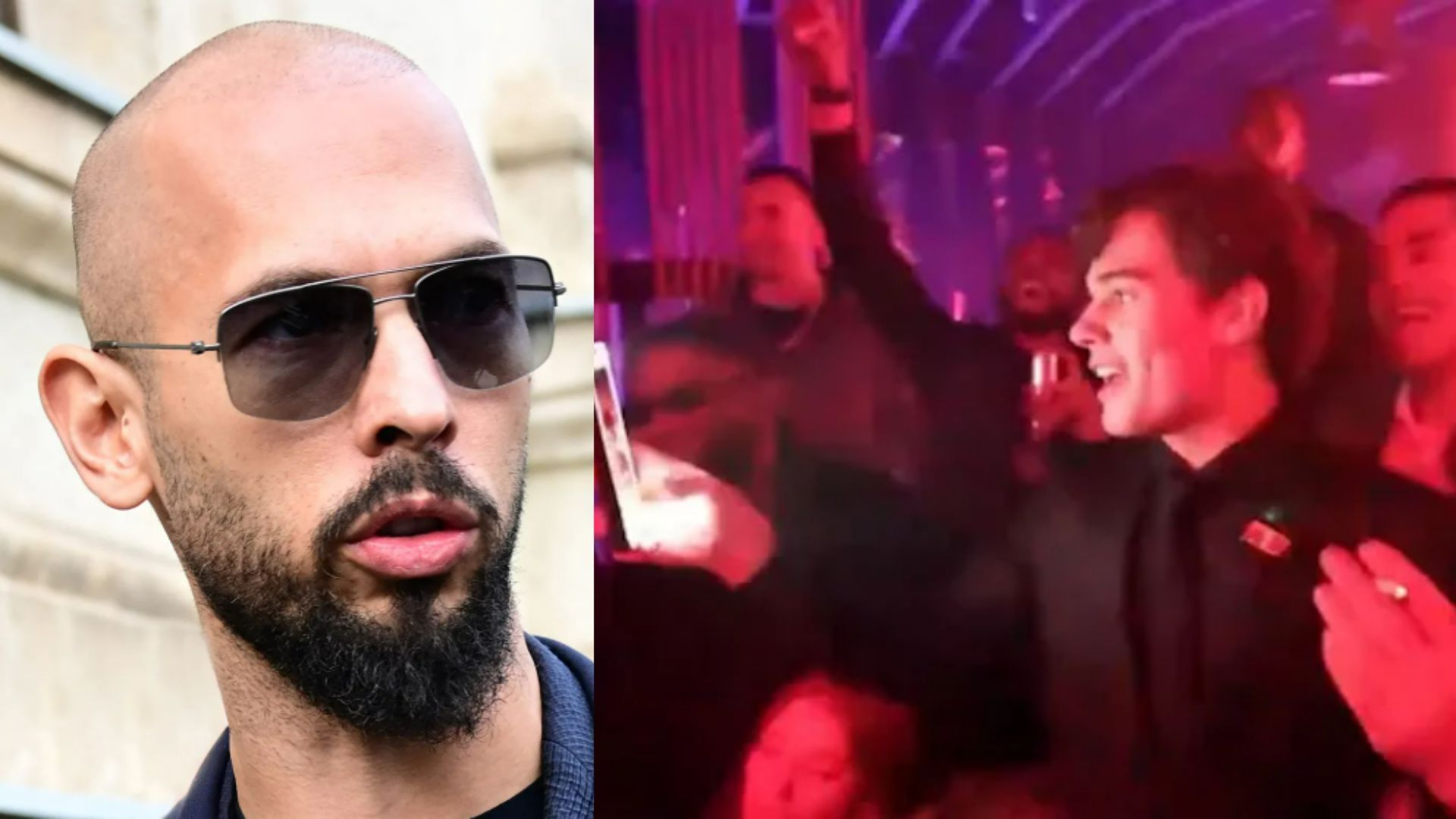
The video, which exploded on X (formerly Twitter), presents a gallery of some of the internet’s most notorious figures. Alongside Tate are infamous white nationalist Nick Fuentes, the influencer Sneako, and others. The clip allegedly shows members of the group, including Fuentes, raising their arms in a Nazi salute while chanting the song’s vile lyrics. The camera then cuts to a smiling Andrew Tate, who appears to be nodding his head in approval. The caption on the original post framed the scene not with shame, but with a triumphant, alpha-male bravado: “Andrew Tate hit the club after a 52M boxing payday with Kanye’s hit song playing. Bros winning at life.”

The backlash was immediate and fierce. The nightclub, VENDÔME, was inundated with criticism and moved quickly to distance itself from the incident, posting an unequivocal condemnation on its Instagram. “We want to be unequivocally clear: Vendôme and our hospitality group do not condone antisemitism, hate speech, or prejudice of any kind,” the statement read, promising a full internal review.
But the nightclub’s response, while necessary, cannot contain the cultural damage already done. This incident is a symptom of a much larger, more terrifying trend: the resurgence of Nazism and the glorification of Adolf Hitler as a viable aesthetic for a disaffected Gen Z audience. In 2025, the symbols of the Third Reich are no longer confined to the history books; they are being actively repackaged and disseminated across social media as edgy, “post-ironic” content.
Nick Fuentes, Sneako, Clavicular, and Andrew Tate were at a Miami nightclub where Ye’s song “Heil Hitler” was played at their request.
Follow: @AFpost pic.twitter.com/GILzzZ4fGi
— AF Post (@AFpost) January 18, 2026
Algorithmic rabbit holes on platforms like TikTok and Instagram are filled with “Hitler edits”—short, slickly produced video clips that portray the dictator with the same stylistic flair as a movie superhero or a pop star, set to modern, aggressive music. Kanye West’s “Heil Hitler” track, though banned from mainstream platforms like Spotify, thrives in these dark corners of the internet. This “Nazi-chic” movement is being deliberately cultivated and pushed by a network of far-right activists and influencers who have built their brands on provocation.
Figures like Nick Fuentes and Myron Gaines have openly stated on the record their admiration for Hitler and the Nazi regime, laundering genocidal ideology through the filter of “edgelord” humor and anti-establishment rhetoric. They present these abhorrent views not as historical evil, but as a forbidden, rebellious truth that the “mainstream” is trying to hide. For a young, impressionable audience looking for an identity outside the norm, this can be a dangerously seductive message.
The presence of Andrew Tate at the center of this storm, whether he was actively participating or simply a smiling bystander, lends his massive platform and perceived credibility to this toxic movement. As one of the most famous and controversial figures on the planet, his association, tacit or otherwise, is a powerful endorsement.
This incident forces a difficult conversation about the dissolving line between online provocation and real-world hate. The viral video from VENDÔME is what happens when the digital cesspool of Nazi memes and antisemitic “jokes” spills over into the physical world. It demonstrates that this is not a harmless online subculture; it is a growing and increasingly bold movement that feels emboldened to bring its hate out into the open. As long as figures like Tate and Fuentes are given platforms to spread their influence, and as long as their behavior is framed as “winning at life,” we are allowing the seeds of a monstrous past to find fertile ground in our present.