
The Illusion of Connection: Do Celebrities Really Interact With Their Fans?
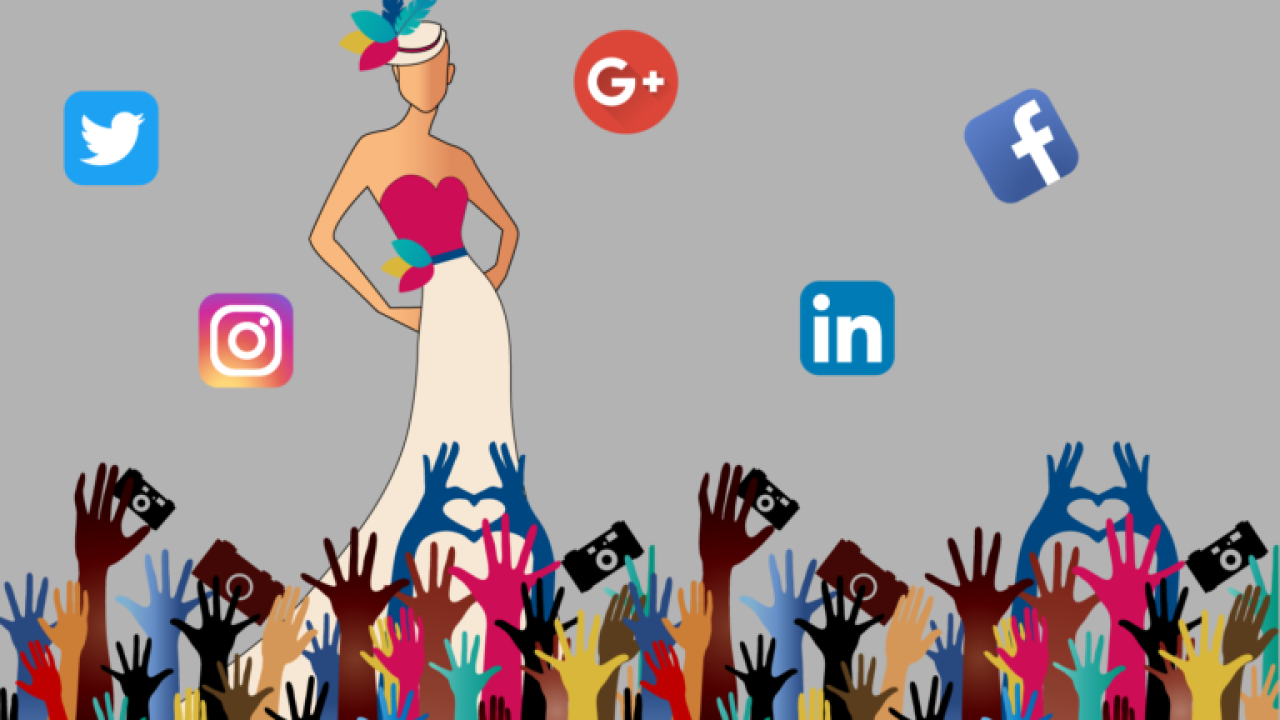
In the digital age, the velvet rope between celebrity and fan has seemingly been torn down. Through the curated windows of Instagram, the rapid-fire conversations on X, and the chaotic intimacy of TikTok, our idols have never felt closer. We see their homes, their pets, their unfiltered moments. But does this unprecedented access equate to a genuine connection? Or is it a carefully managed illusion, a new form of performance designed to foster a one-sided bond that is both powerful and potentially perilous?
This is the central question of modern fandom, a complex dynamic that has been supercharged by social media. To understand it, one must first grasp the concept of the parasocial relationship.
The One-Sided Bond: Understanding the Parasocial Relationship
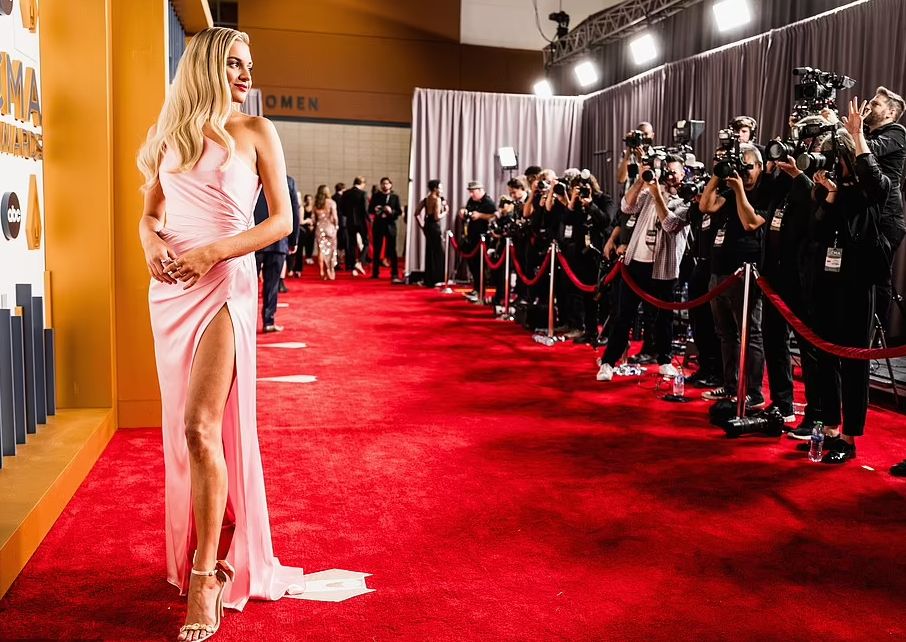
A parasocial relationship is the one-sided sense of intimacy and friendship that a fan develops with a public figure they have likely never met. It is the feeling of “knowing” a celebrity through their interviews, their art, and their social media presence. This is not a new phenomenon—it has existed since the dawn of mass media—but the interactive nature of platforms today has amplified this feeling exponentially.
When Taylor Swift likes a fan’s post or Ryan Reynolds replies with a witty comeback on X, it feels like a personal validation, a brief, electrifying moment where the one-sided bond feels reciprocated. This can be a powerful and positive force, fostering a sense of community and belonging among fans. However, it can also lead to unrealistic expectations and, in extreme cases, a dangerous blurring of boundaries.
The New Arenas of Interaction
Modern celebrities have a vast arsenal of tools for engaging with their audience, each with its own set of rules and illusions.
-
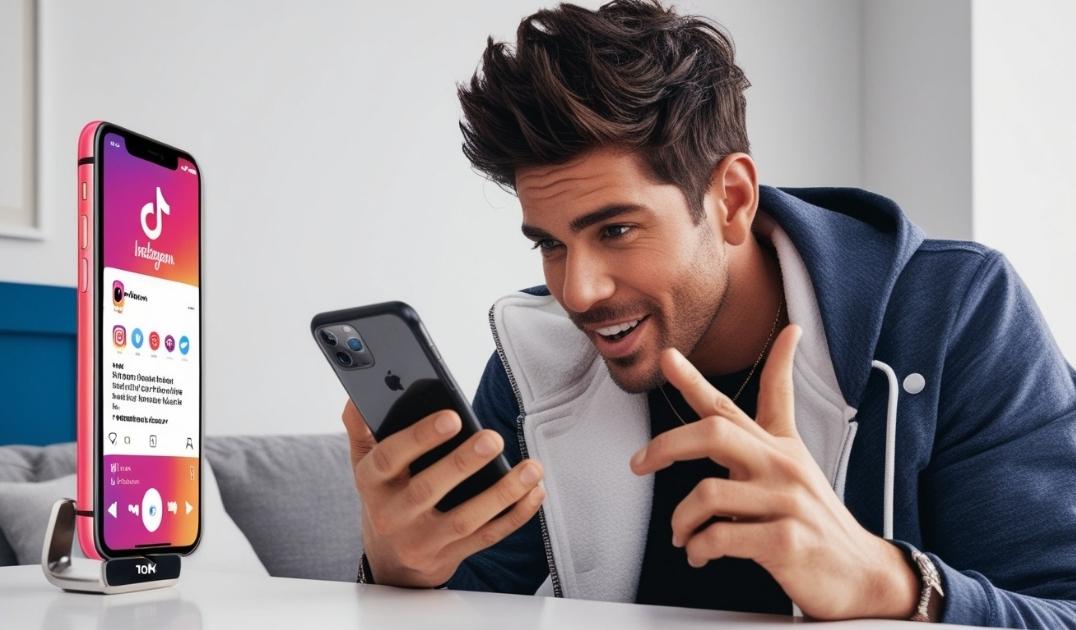
Instagram: The Curated Reality: Platforms like Instagram allow stars such as Dwayne “The Rock” Johnson to share a carefully curated version of their “behind-the-scenes” life. While these posts create a sense of intimacy, it is crucial for fans to remember that many of these accounts are managed by sophisticated PR teams. A “like” may not be from the star themselves, but from an employee paid to maintain the brand.
-
X (Twitter): The Public Square: X is the arena for quick, public conversations. Celebrities use it to promote their work, share opinions, and engage in real-time cultural moments. While direct replies to fans do happen, they are public performances, designed to be seen by millions. The interaction is real, but it is not private.
-
TikTok: The Illusion of Spontaneity: With its emphasis on short, candid-feeling videos, TikTok has become a powerful tool for stars like Doja Cat to appear more relatable and accessible. Duetting a fan’s video or responding to a comment creates a powerful, instantaneous connection, but it remains a one-to-many broadcast, not a personal dialogue.
The Reality of “Meet-and-Greets”: A Transactional Moment
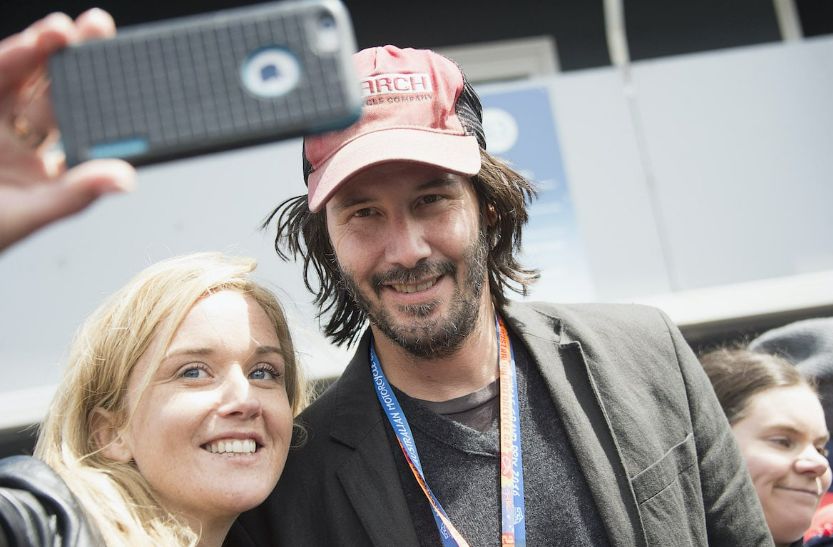
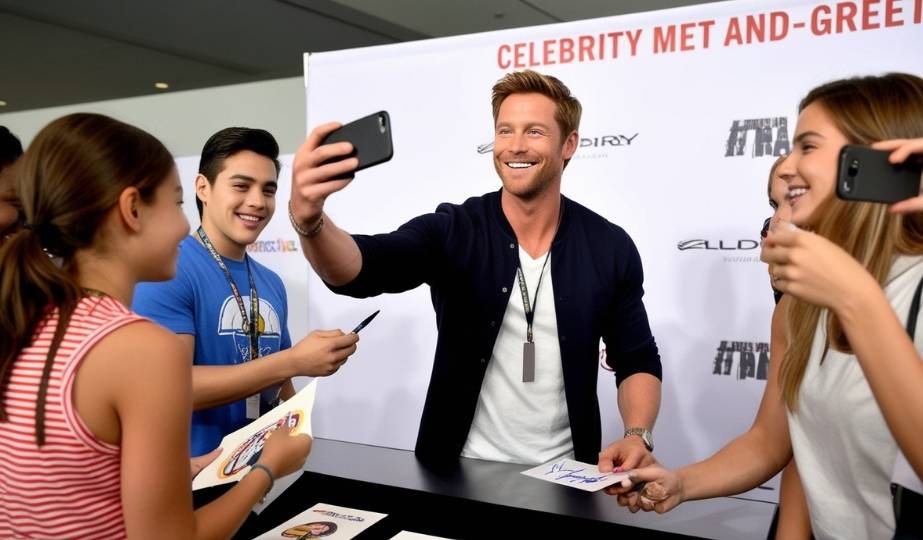
For fans craving a real-world connection, the meet-and-greet seems like the holy grail. However, these events are often highly structured, transactional experiences. For a premium price, a fan gets a few precious seconds for a photo, an autograph, and a brief hello. It is a fleeting, assembly-line process designed for maximum efficiency, not deep connection. While it provides a cherished memory, it is a photo-op, not a friendship.
Meet-and-Greets: Personal or Just a Photo Op?
The Dark Side: When Fandom Crosses the Line
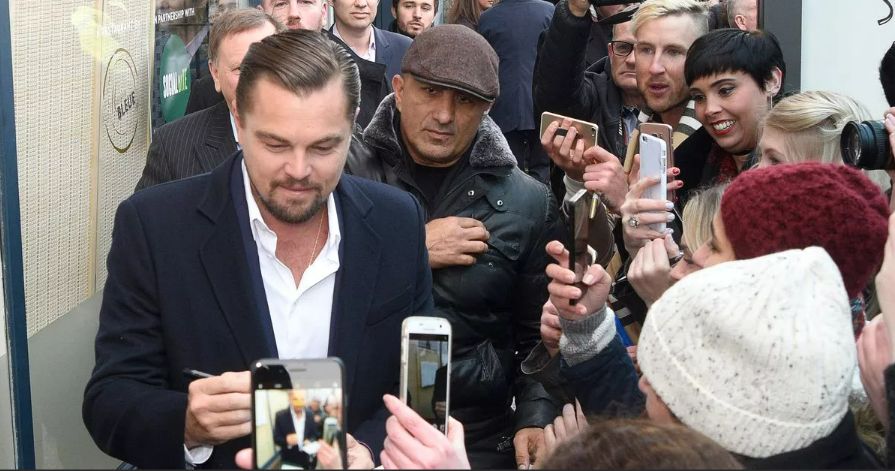
The illusion of intimacy can have a dark side. The constant demand for interaction can be overwhelming for celebrities, who are inundated with thousands of messages a day. More alarmingly, it can lead some fans to cross the line from admiration into harassment and stalking. Bombarding a celebrity with endless messages, tracking their real-world movements, or showing up at their private residence are not acts of fandom; they are dangerous violations of personal boundaries.
This is why many stars, such as Leonardo DiCaprio and Harry Styles, consciously limit their social media presence and fiercely guard their privacy. They understand that in the modern world, privacy is not a given; it is a luxury that must be actively protected.
Finding a Healthy Balance: A Guide for the Modern Fan
So, is it possible to have a healthy and respectful relationship with a celebrity you admire? Absolutely. The key is to manage expectations and respect boundaries.
-
Engage on Their Terms: Support them on social media, attend their official events, and celebrate their work.
-
Recognize the Boundary: Understand that their public persona is a performance. Their private life is their own.
-
Never Demand a Response: A celebrity does not owe any fan a personal interaction. Appreciate the moments of public engagement for what they are, without expecting more.
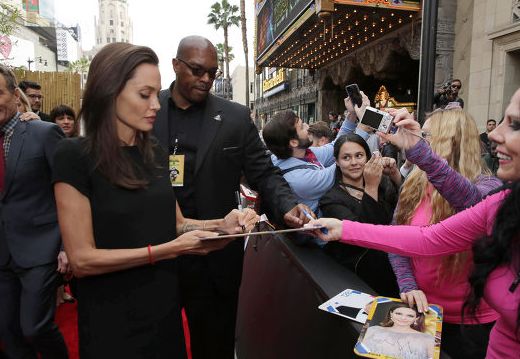
The relationship between stars and their fans has never been more complex. While social media has created an unprecedented sense of access, it is crucial to remember the illusion at play. We can admire, we can support, and we can feel inspired by our favourite celebrities. But we must also grant them the same right to privacy, peace, and personal boundaries that we all deserve.