The countdown to the end of the world—or at least the end of Vought’s undisputed reign—has officially begun. As Amazon MGM Studios peels back the curtain on the final chapter of its subversive superhero epic, The Boys Season 5 is shaping up to be the most explosive, controversial, and high-stakes television event of the decade.
According to recent reports and the chilling first glimpses of the upcoming season, the power dynamic in the series has shifted from a shadow war to a total fascist takeover. If fans thought the previous four seasons were intense, the finale promises a level of carnage and political upheaval that makes the “Herogasm” incident look like a Sunday brunch.
The Pinnacle of Power: President Homelander?
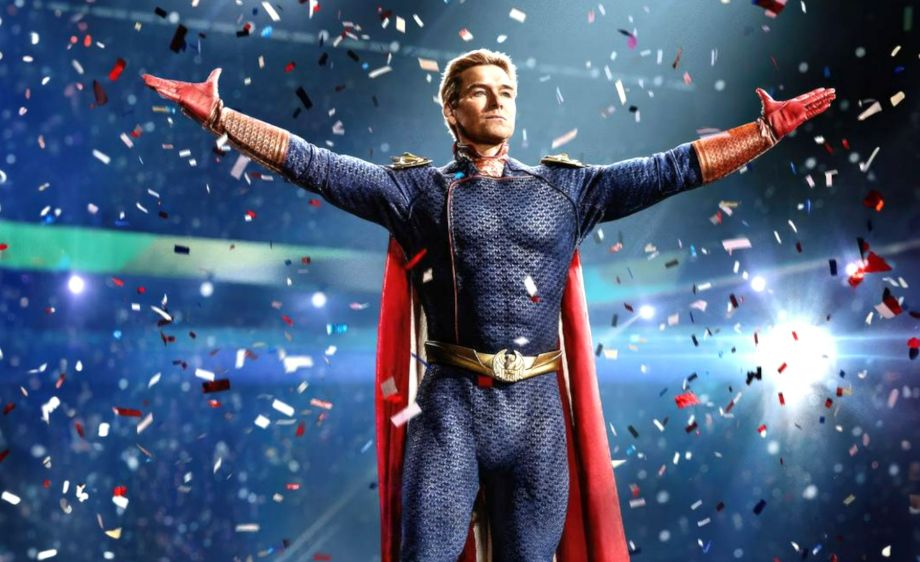
The most striking image to emerge from the new season’s promotional material is one that fans have dreaded since the pilot episode: Homelander sitting calmly at the desk of the Oval Office. This isn’t just a visual stunt; it represents the character reaching his absolute zenith. By effectively installing himself at the heart of the American government, Homelander has achieved a level of legitimacy and protection that renders him almost entirely untouchable.
For four seasons, Billy Butcher and his team have operated under the assumption that if they could just expose the “Supe” lie to the public, the system would correct itself. In Season 5, that system is dead. With the military and the executive branch under his thumb, Homelander looks less like a villain to be defeated and more like a permanent deity. His invincibility is no longer just physical; it is structural.
Navigating the “Woke” Criticism
As The Boys heads toward its conclusion, showrunner Eric Kripke and his writing team find themselves at a creative crossroads regarding the show’s legacy. While the series has always been a biting satire of corporate greed and celebrity culture, the last two seasons received significant pushback from segments of the audience who argued the show had become “too woke.”
Critics of the recent seasons pointed toward an increasingly heavy-handed approach to political allegories, suggesting that the nuance of the earlier episodes had been traded for direct, and sometimes polarizing, social commentary. However, the production team seems undeterred. For Season 5, the challenge will be to see if they can marry the overt political themes with the character-driven grit that made the show a global phenomenon.
Whether the audience views the satire as a necessary reflection of the modern world or an unnecessary distraction, there is no denying that The Boys remains one of the few shows brave enough to spark such a fervent cultural dialogue.
The Most Explosive Season Yet
The “finality” of Season 5 has allowed the creators to pull out all the stops. In a world where no character is safe and the stakes are literally global, the level of violence and visual effects is expected to reach a series high. Sources close to the production suggest that the scale of the battles in the final three episodes will rival major cinematic releases.
But beyond the gore and the laser eyes, the emotional core remains the fractured relationship between Butcher and his team. With Butcher facing his own mortality and Ryan’s soul hanging in the balance, the final season isn’t just a war against Vought—it’s a battle for the very definition of humanity.
The Legacy of The Boys
Since it first premiered, The Boys has been a middle finger to the traditional superhero genre. It deconstructed the “hero” myth at a time when audiences were suffering from Marvel-induced fatigue. Now, as it prepares to exit the stage, it faces the hardest task of all: sticking the landing.
With Homelander in the Oval Office and a nation divided, The Boys Season 5 is poised to be more than just a TV finale. It is a grim, hyper-violent, and unapologetic look at what happens when the monsters we create finally take the keys to the kingdom. One thing is certain—the finale won’t be quiet, and it certainly won’t be pretty.