The Fight That Wasn’t Real: How a Viral AI Video of Tom Cruise and Brad Pitt Exposed Hollywood’s Greatest Fear
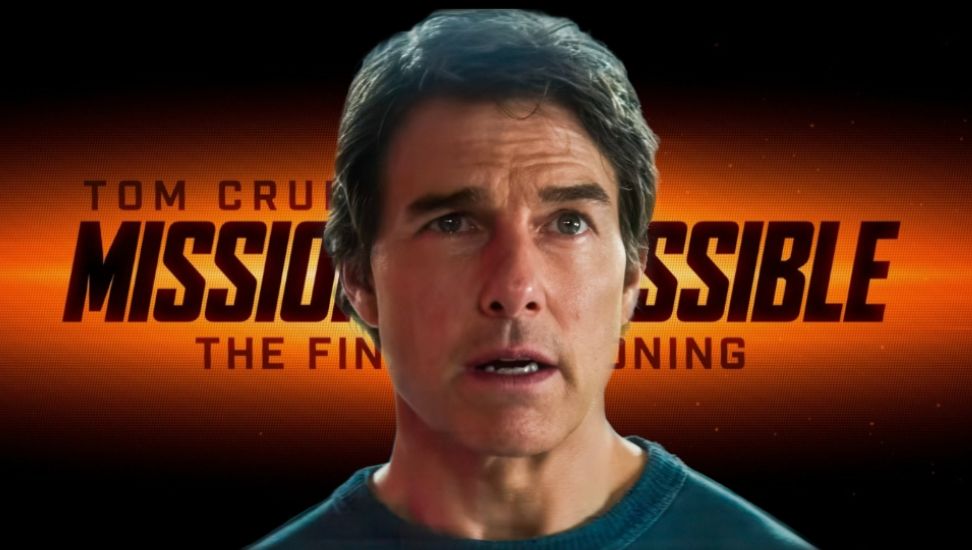
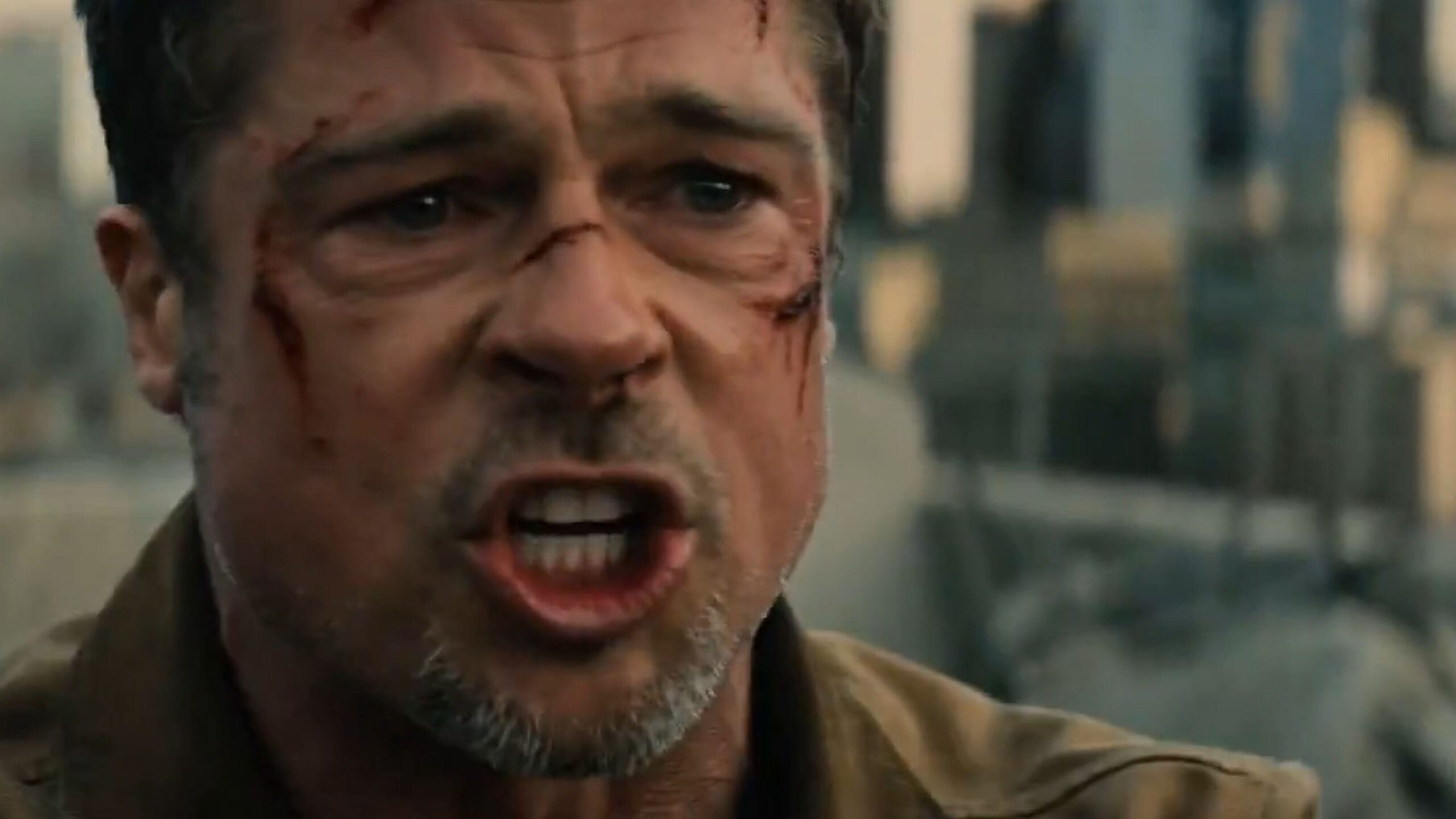
A grainy video appears on social media: on a destroyed rooftop, two of the world’s biggest movie stars, Tom Cruise and Brad Pitt, are locked in a brutal, visceral fight. The cinematography is dynamic, the action is coherent, and the realism is breathtaking. For a moment, it looks like a leaked scene from the most anticipated blockbuster of the decade. But it isn’t. The entire sequence, which has now been viewed by millions, was generated by Artificial Intelligence from a simple two-line prompt.
Created by Irish filmmaker Ruairi Robinson using Byte Dance’s Seedance 2 AI model, the video is more than just a stunning technological demonstration; it is a watershed moment for the film industry. It represents the tangible arrival of a threat that Hollywood has been dreading, a development that could fundamentally dismantle the studio power structure that has defined cinema for over a century.
The Industry Reacts: Copyright Concerns and a Gatekeeper’s Panic
The industry’s reaction has been swift and telling. The motionpictures.org immediately denounced the video, citing “unauthorized use of U.S. copyrighted works on a massive scale” and demanding that the AI’s parent company, ByteDance, cease its infringing activity. On the surface, their concern is a valid one, rooted in the protection of actors’ likenesses—a central and hard-fought issue during the Hollywood Labour disputes.
However, to view this reaction solely through the lens of copyright is to miss the much larger, existential fear at play. The true source of Hollywood’s fury is not just the unauthorized use of a star’s image, but the violent bursting of its production bubble. For a hundred years, the major studios have operated as impenetrable gatekeepers, their power derived from their monopoly on the immense resources—budgets, equipment, personnel, and distribution networks—required to create blockbuster-quality entertainment.
Robinson’s video demonstrated, in just a few seconds, that this monopoly is now effectively over. A single creator with access to a powerful AI model accomplished what would have traditionally required a multi-million dollar budget and a crew of hundreds. This democratization of high-end production capability is the real threat that has sent a shockwave through the executive suites of every major studio. As Deadpool writer Rhett Reese noted in his reaction to the video, Hollywood has long been a “gatekeeper” that “keeps young/poor people away from creative levers.” Now, those levers are accessible to anyone with an internet connection.
— Ruairi Robinson (@RuairiRobinson) February 11, 2026
An Inevitable Paradigm Shift: The Future of Film Production
The implications of this technological leap are profound and will almost certainly lead to a significant workforce disruption within the industry. With studios already facing immense pressure from underperforming blockbusters and bloated budgets, the temptation to replace entire departments with cost-effective AI solutions will be irresistible. VFX artists, animators, and various below-the-line production roles are now facing an unprecedented level of vulnerability.
It is inevitable that the major studios, after an initial period of resistance, will fully embrace this technology themselves in a classic “if you can’t beat them, join them” strategy. We are already seeing the beginnings of this, with films like Killing Satoshi reportedly using AI to “adjust” actor performances and generate entire locations. This “Cruise vs. Pitt” video will only accelerate that trend, as it provides undeniable proof of concept for what is possible. The era of the billion-dollar production budget may soon be over, but it will come at a significant human cost to the creative workforce.
The Coming Wars: IP, Copyright, and the Crackdown on Fan Creativity
Faced with this loss of production monopoly, the studios’ next battle will be fought on legal and intellectual property grounds. We can anticipate a massive, coordinated effort from the MPA and major studios to aggressively lobby for stricter laws governing the use of AI in media creation. Their first target will be the unauthorized use of actors’ likenesses, but it will not end there.
The next frontier will be a crackdown on the use of their intellectual property in any form. The vibrant world of AI-generated fan films and art, which has exploded on platforms like YouTube, will likely face an existential threat. Studios will seek to expand copyright law to cover not just characters, but themes, aesthetics, and styles. A fan-made film set in a “galaxy far, far away” that mimics the look and feel of Star Wars could find itself in legal jeopardy, even without using established characters. This will be a necessary, if unfortunate, move for studios to protect the value of their IP in a world where anyone can create a competing product.
The Cruise vs. Pitt AI video will be remembered not as a mere deepfake, but as the first shot in a revolution. It has exposed the fragility of the traditional Hollywood model and has irrevocably changed the landscape of media creation. The future of cinema is no longer solely in the hands of a few powerful studios; it is now in the hands of anyone with a powerful idea and the AI tools to bring it to life. The ensuing chaos will reshape the industry forever.