The Long Night of Jon Snow: HBO Rejects Kit Harington’s ‘Trauma-Fueled’ Sequel
For the millions of fans left unsatisfied by the controversial finale of Game of Thrones, the promise of a Jon Snow sequel was more than just a spin-off; it was a chance at redemption. It was an opportunity to give one of Westeros’s most beloved heroes a more fitting conclusion than a lonely exile beyond the Wall. The project, championed by actor Kit Harington himself, once seemed like the easiest greenlight in Hollywood. Now, that hope has been frozen in its tracks, and new reporting reveals the shocking reason why: the proposed story was simply too bleak, too despairing, and too depressing for even the famously brutal world of HBO.
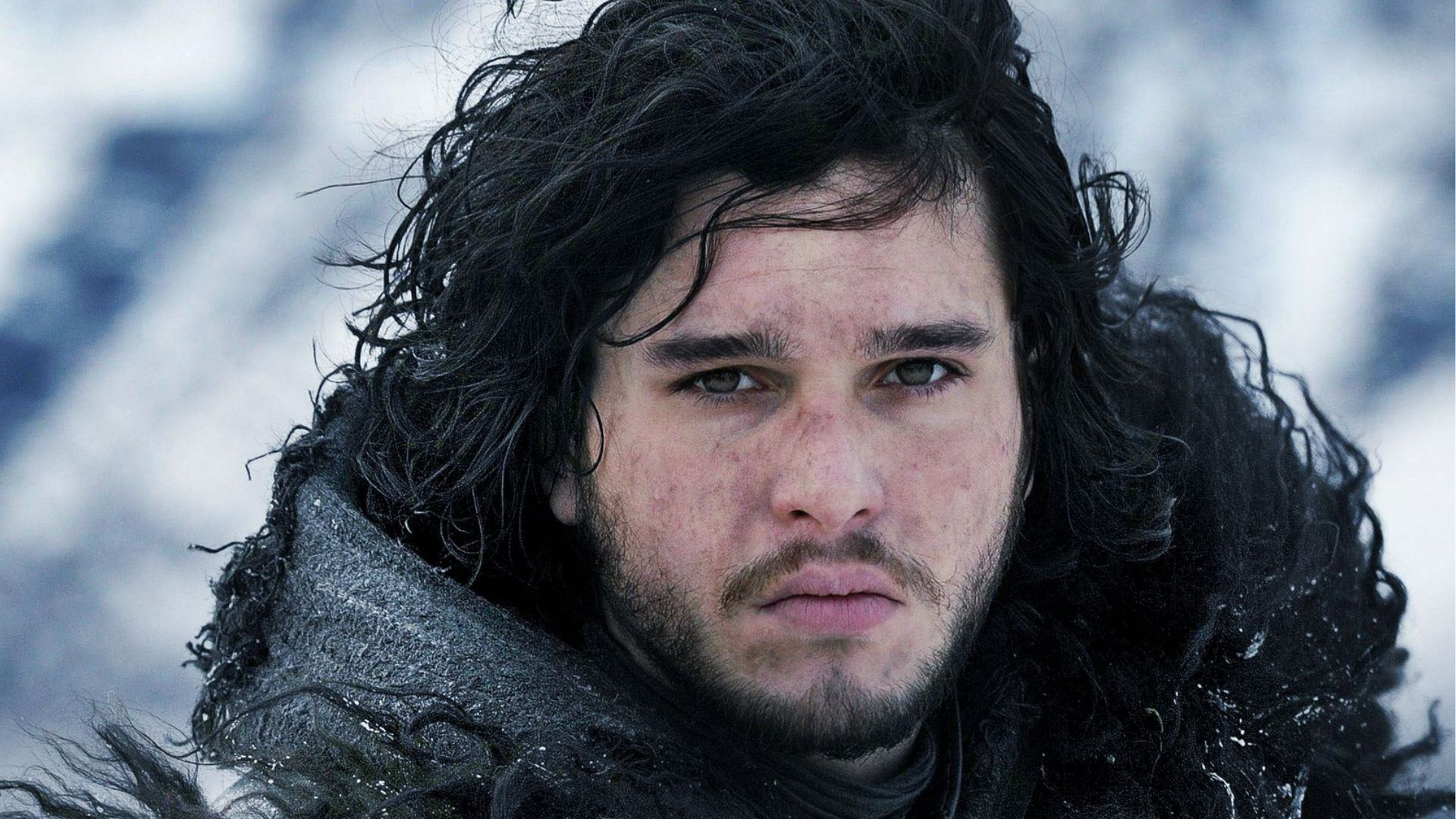
The central idea, according to reports from Forbes and AOL, was not a tale of a king reclaiming his honor or a hero building a new life. Instead, the pitch presented a man in complete emotional freefall. This wasn’t the Jon Snow who faced down the Night King; this was a man shattered by a medieval form of PTSD, struggling to function after the immense trauma of killing the woman he loved and being cast out by the family he fought to protect. For HBO, a network trying to build a multi-billion dollar franchise, a story centered on a hero’s slow collapse was reportedly a dealbreaker.
A Story of Collapse, Not a Hero’s Return
The alleged story outline paints a devastating picture of a man who has lost everything, including himself. In this version of his exile, Jon would have reportedly become a true hermit, pushing away the last vestiges of his identity in a spiral of self-destruction. In one of the most striking and powerful details, he would have driven away Ghost, the loyal direwolf who served as his last living link to his Stark heritage. He would have also abandoned Longclaw, his Valyrian steel sword, casting aside the symbol of his leadership and purpose.
This was not a temporary crisis to be overcome. The pitch reportedly included scenes of Jon spending his days obsessively building cabins, only to burn them to the ground—a potent metaphor for a man caught in a cycle of creating and destroying, unable to build a future. For a fanbase that had hoped to see the King in the North rise again, this narrative offered only a deeper descent into darkness. The story was not a new chapter; it was a tragic epilogue, and one that reportedly concluded with Jon Snow’s death, offering no hope for healing or continuation.
Why HBO Saw a Narrative—and Commercial—Dead End
Game of Thrones has never shied away from darkness, but its brutality has always served a narrative purpose, driving characters toward action, revenge, or political maneuvering. The Jon Snow sequel, by contrast, sounds like it was about the absence of momentum. It was a character study in stasis and despair, where the emotional weight was the entire point, not a catalyst for a new adventure.
From a commercial standpoint, this was likely an impossible sell. The sequel was seen by many as a potential course correction for the divisive Season 8 finale. A story that doubles down on Jon’s suffering, isolates him from the world, and removes any sense of heroism would not have fixed fan frustration; it would have amplified it. HBO is currently in the business of expansion, building a rotating slate of Thrones content to keep audiences engaged year-round. A self-contained, fatalistic tragedy about a broken hero doesn’t fit that franchise model. You can’t build a multi-season universe around a character on a one-way trip to the grave.
Art Imitating Life: A Cathartic But Unmarketable Vision
The motivation behind this dark creative direction may have been deeply personal. The pitch reportedly echoed Kit Harington’s own real-life experience with the immense pressure and psychological toll of the show’s aftermath. The actor has spoken publicly about his struggles, which included entering rehab in 2019. From that perspective, a cathartic exploration of Jon’s trauma makes perfect artistic sense. It is an honest, raw, and brave creative choice.
However, what feels artistically honest for an actor does not always align with the billion-dollar demands of a global franchise. HBO is not looking for a quiet, introspective epilogue; it is looking for its next tentpole. A bleak character study with a fatal ending, while potentially powerful, risks alienating the very audience it needs to court and offers no path for future storytelling.
For now, the King in the North remains in his self-imposed winter. While the project is reportedly off the table, the concept may not be entirely dead. But HBO’s decision has sent a clear message to the industry: even in the dark and brutal world of Westeros, there is a limit to how much despair an audience—and a studio—is willing to endure.