
The Battle for America’s Soul: Clinton Frames 2024 Election as ‘We’ vs. ‘Me’
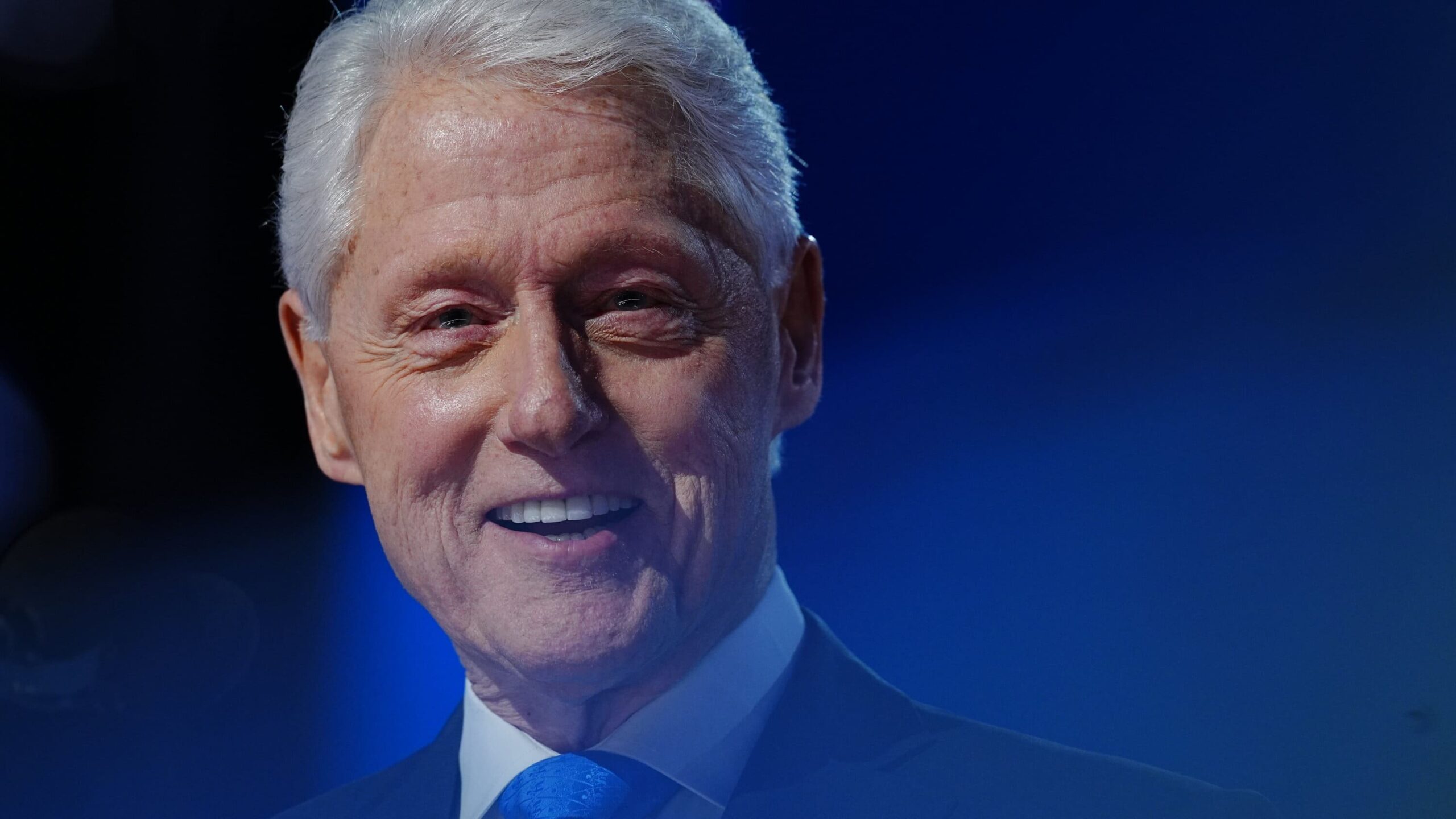
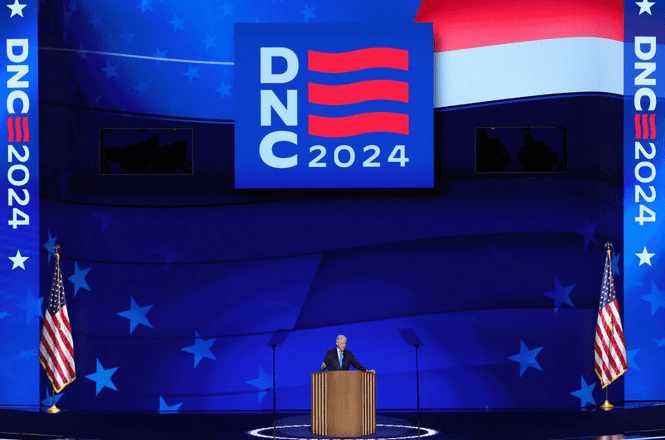
In an electrifying address at the Democratic National Convention, former President Bill Clinton distilled the 2024 election down to its most fundamental essence, framing it as an existential choice for the nation: a battle between “We The People” and a presidency of “Me, Myself, and I.” With the charismatic eloquence that defined his political career, Clinton delivered a passionate endorsement of Vice President Kamala Harris, while simultaneously launching a blistering critique of what he characterized as the divisive individualism of former President Donald Trump.
Main Points of Clinton’s Speech
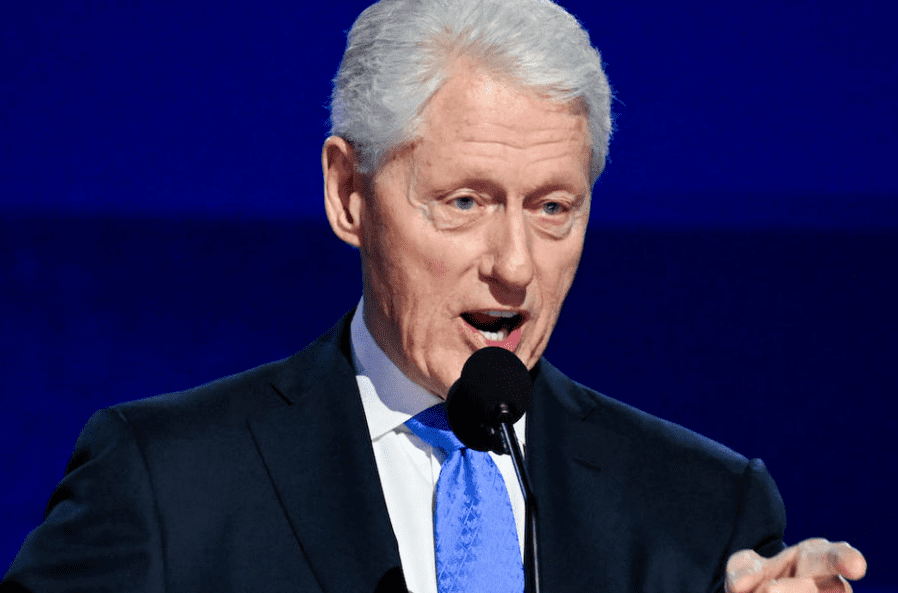
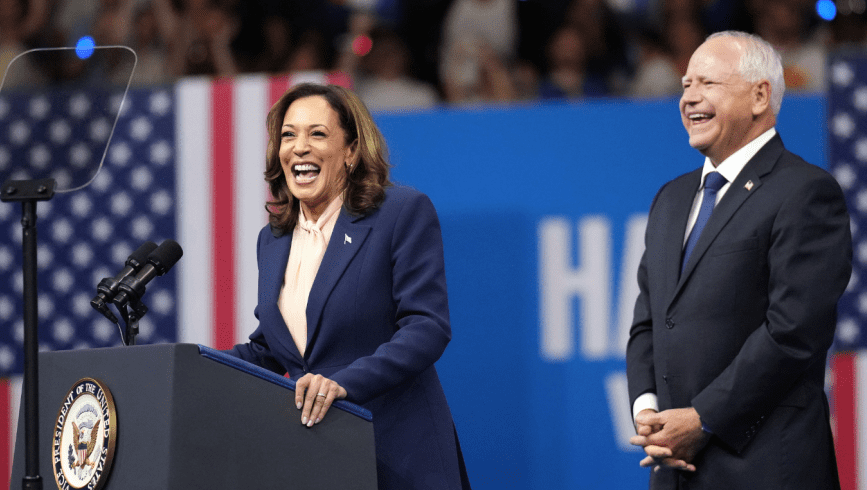
The speech was more than a simple endorsement; it was a masterful attempt to define the entire narrative of the campaign. Clinton presented Harris not merely as a candidate, but as the embodiment of America’s collaborative spirit. He lauded her experience, dedication, and vision for tackling the nation’s challenges, holding up her inclusive approach as the necessary antidote to the polarization plaguing the country. “She is a leader with the know-how, attitude, and energy to handle good times and tough spots,” Clinton declared, painting a portrait of Harris as a unifier who will work to ensure opportunity for all Americans.
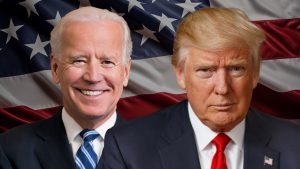
In stark contrast, Clinton characterized Donald Trump’s leadership as a singular preoccupation with self-interest and division. He depicted him as a leader who “loves to stir up trouble” and focuses on personal grievances over collective progress. Clinton’s soundbite, comparing Trump’s rhetoric to a constant focus on “Me, Myself, and I,” was designed to resonate with voters weary of what many see as an ego-driven and disruptive leadership style.
Background on Clinton’s Previous Speeches
Echoes of Campaigns Past
This framing is not a new script for Clinton; it is a return to a theme that has been a cornerstone of his political life. From his own 1992 campaign, which was built on the foundations of hope and change, to his 1-996 reelection bid that stressed economic prosperity and national unity, Clinton has always positioned himself as a champion of collective effort. His strategy has consistently been to present elections as a clear choice between two fundamentally different visions for the country’s future, a tactic he is now deploying on behalf of Harris.
This approach echoes other historic campaigns. Ronald Reagan’s 1984 reelection campaign, for instance, successfully framed the election as a choice between the economic optimism of “Morning in America” and the gloom of government interference. Similarly, Clinton’s speech seeks to create a sharp, ideological contrast between Harris’s collaborative vision and what he defines as Trump’s self-serving approach.
An Electric Reception and a Mixed Reaction
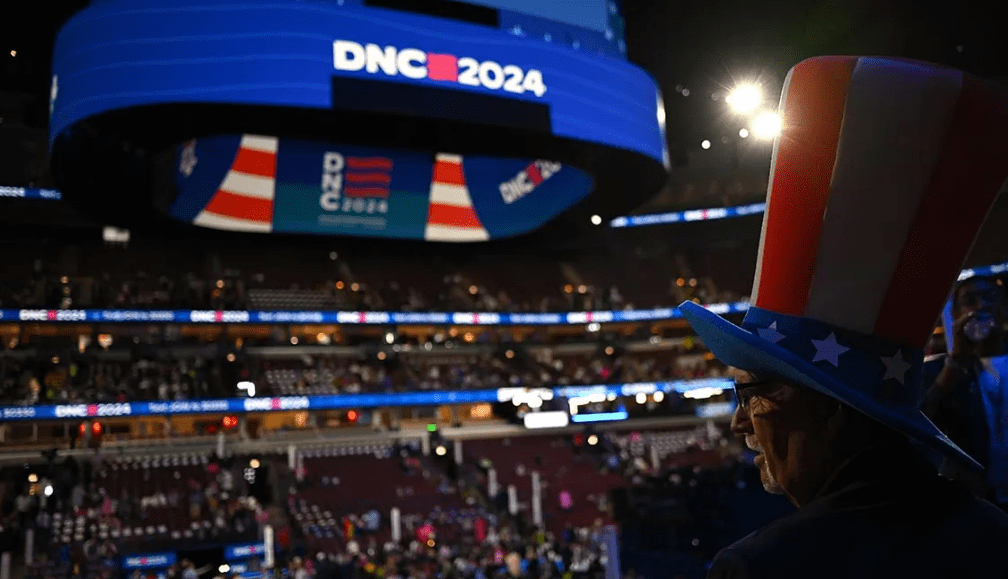
The reception inside the convention hall was electric. The crowd responded with thunderous applause, rising to their feet at several points, particularly as Clinton drew the contrast between the two candidates. His message clearly resonated with the Democratic base, which is hungry for a strong, unifying narrative.
On social media, the reaction was equally robust, though more nuanced. Many praised the clarity and force of Clinton’s message, seeing it as an effective rallying cry for the party. However, criticism emerged from some corners, with commentators pointing out that while the speech was emotionally powerful, it was light on specific policy details. These critics argued that while the speech galvanized supporters, it may not have done enough to sway undecided voters who are more interested in concrete policy proposals than in broad themes.
The Potential Impact on the 2024 Race
The true impact of Clinton’s speech will be measured in the months to come. Its primary function was to provide the Harris campaign with a powerful and simple core message: unity versus division. This narrative is likely to dominate the Democratic strategy, particularly in swing states where voters tired of polarization may be receptive to an appeal for collaboration.
On the other hand, Clinton’s direct attack on Trump’s persona will likely energize the Republican base, which will almost certainly escalate its own anti-establishment messaging in response. The speech has set the stage for an ideological showdown, with each side now armed with a clear narrative to present to the American electorate.
In its essence, Bill Clinton’s speech was a masterclass in political framing. He offered an essential context for the election, transforming it from a simple political contest into a battle for the nation’s soul. While its ultimate effect on voters remains to be seen, one thing is clear: Bill Clinton, decades after leaving office, has once again proven he is one of the most powerful and influential voices in American politics.