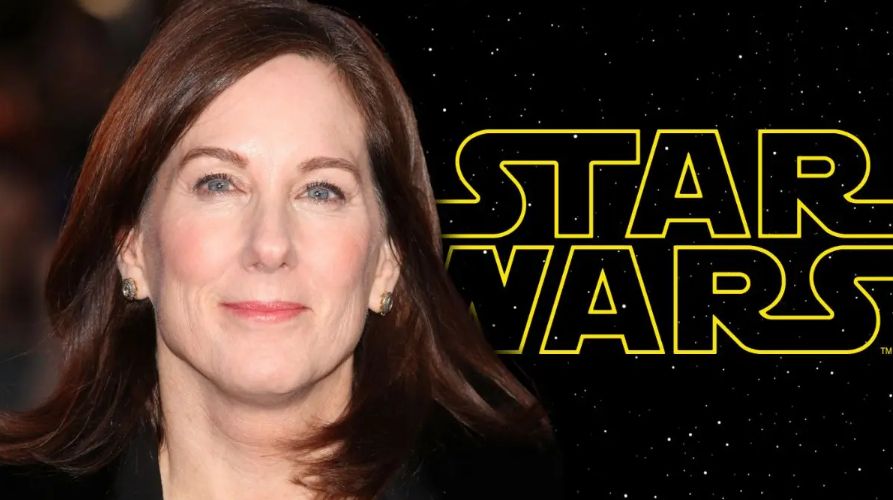
The Kennedy Era Is Over: A New Star Wars Trilogy and a New Hope for Lucasfilm?
The Force has officially shifted in a galaxy far, far away. In a move that has stunned the industry and electrified a global fanbase, Kathleen Kennedy is stepping down as the President of Lucasfilm. Her departure marks the end of a tumultuous, transformative, and deeply controversial 14-year reign that began with Disney’s acquisition in 2012. But in a final, masterful act of strategy, Kennedy has not gone quietly. As her parting gift, she has announced the very thing a generation of fans has been clamoring for: a new live-action film trilogy set in the beloved era of The Old Republic.
For a significant and highly vocal segment of the Star Wars fandom, this news is the victory they have been campaigning for for years. Kennedy’s tenure, while financially successful, has been plagued by creative conflicts and a deeply divided audience reception. The online campaigns, often coalescing under the hashtag #FireKathleenKennedy, painted her as the architect of the franchise’s recent struggles. She has been blamed for a perceived lack of a cohesive narrative plan for the sequel trilogy, the box office disappointment of Solo: A Star Wars Story, and for steering the franchise in a creative direction that many die-hard fans felt betrayed the spirit of George Lucas’s original vision. For these fans, her exit is not just a corporate restructuring; it is a course correction, a new hope that the franchise they love is finally returning to its roots.
Kathleen Kennedy’s Legacy
However, Kennedy’s legacy is far more complex than the online narratives suggest. Under her leadership, Star Wars exploded into a multi-platform behemoth. She oversaw the launch of the sequel trilogy, which kicked off with the billion-dollar cultural event The Force Awakens. She delivered Rogue One, widely considered one of the best films of the Disney era. And, most significantly, she greenlit The Mandalorian, the series that launched Disney+, revitalized the brand, and introduced the world to Grogu. But for every triumph, there was a public struggle—the constant shuffling of directors, the divisive reaction to The Last Jedi, and the critically panned conclusion in The Rise of Skywalker left many feeling that the galaxy was spinning out of control.
It is perhaps fitting, then, that Kennedy’s final act is one of stunning fan service and profound creative promise. The announcement of a new trilogy is, on its own, massive news. But the details of this project are what make it a potential game-changer. The trilogy will be helmed by a creative “holy trinity” of modern Star Wars storytellers: Jon Favreau, Dave Filoni, and James Mangold, with each director taking on one film.
This is a creative team practically hand-picked to unite the fractured fanbase. Favreau and Filoni are the revered architects of the “Mando-verse,” credited with capturing the classic Star Wars feel. Mangold, the acclaimed director of Logan and Ford v Ferrari, brings a level of gritty, character-driven prestige that promises a fresh perspective.
The Future Of Star Wars
Even more exciting is the setting. By venturing into The Old Republic, Lucasfilm is finally tapping into a rich, fan-favorite era that has, until now, been confined to video games and novels. This is a period set thousands of years before the Skywalkers, filled with epic conflicts between armies of Jedi and Sith—a vast, untapped canvas for new stories. The films—reportedly titled Heir to the Republic (Favreau), The Jedi Order (Filoni), and Dawn of the Jedi (Mangold)—signal a definitive move away from the Skywalker Saga and into a bold new future.
The irony, of course, is that Kennedy, the figurehead so many wanted gone, is the one who has ultimately greenlit this dream project. She will even remain as an executive producer, guiding the trilogy she has just set in motion. This suggests her departure is less of a forced coup and more of a strategic transition, a passing of the torch to the creative minds who have already proven they can successfully navigate the galaxy.
Her exit and this announcement together mark a new dawn for Hollywood’s most iconic franchise. We are witnessing a monumental shift in creative control, a move away from a singular executive vision to a council of proven creators. The future of Star Wars now rests on the shoulders of Favreau, Filoni, and Mangold. They have been given the keys to the most beloved era in the expanded lore and a clear mandate to build the next generation of galactic storytelling. For the first time in a long time, the future of Star Wars feels united, focused, and boundless. A new hope has, indeed, returned.